A step-by-step guide to fitness app development: Discussing app formats, essential features, and a real mobile app development case

Thinking of creating a fitness app? The most effective strategy today is to combine deep AI-powered personalization, integration with the latest wearables and healthtech platforms, strong user engagement mechanics, and robust data security designed for the health industry from day one.
In this guide, you’ll learn:
- What the booming fitness app market looks like today, and which formats are most in demand.
- What user engagement and monetization strategies work best right now.
- How cutting-edge AI and personalized content transform the user experience.
- Why tight integration with wearables, connected home equipment, and health data platforms is now essential — not optional.
- What it takes to build a truly compliant and secure healthtech solution, including “compliance by design”.
- Real-life development timelines, budgets, and tech stack examples from the Ronas IT team.
Research from McKinsey indicates that, despite aesthetics and functional nutrition standing out in 2025, wellness at home and biomonitoring with wearables stay among the key global wellness trends shaping the future of the health and fitness industry. As individuals increasingly prioritize their well-being and seek to monitor their health metrics, the demand for fitness and wellness apps is on the rise. Given this growing trend toward digital health solutions, there has never been a better time to delve into fitness app development and seize the opportunities presented by the thriving wellness market.
We are going to review key fitness app market metrics, talk about methods app owners can engage users and monetize their product, and provide our own case of creating a custom software solution for this market.
Fitness app market overview
According to research provided by Statista, this market will keep growing till 2030 with revenue stats reaching $9.22 billion in 2026. Back in the day, the key factor that initiated the steep market growth was the COVID-19 pandemic. Since that time many people have understood it’s much easier to work out in the comfort of their homes without the need to lose time on going to the gym. Here are other takeaways from the report:
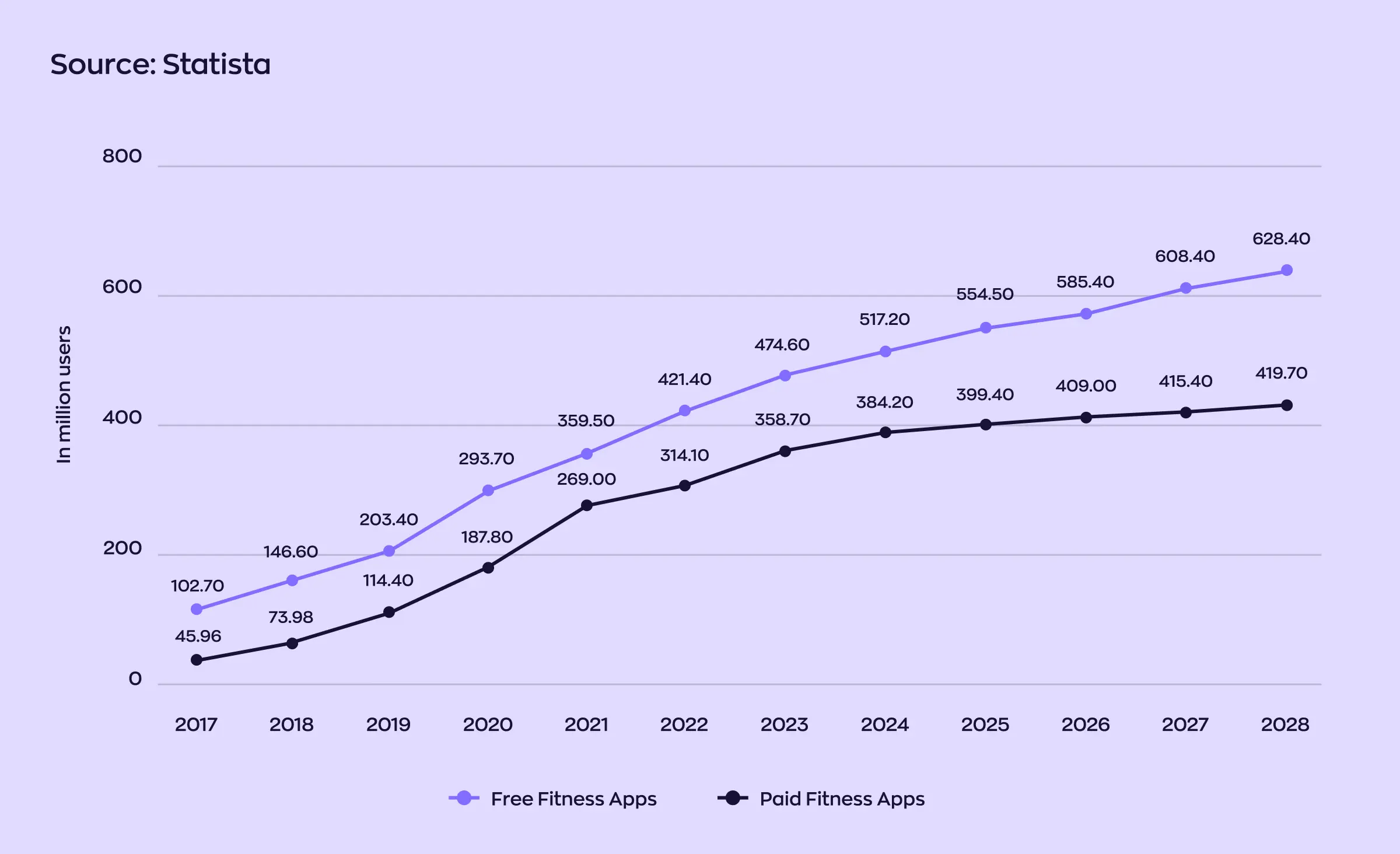
- As you can see in the graph, the number of users who use free apps and those who are willing to pay for the app functionality will keep growing in the upcoming years. The average revenue per user is $17.84 — a relatively high point that can persuade some investors to cooperate with you.
- A prominent trend observed in the fitness app industry is the incorporation of wearable technology. Fitness applications are progressively being developed to synchronize with wearable gadgets like smartwatches and fitness trackers. This synergy helps users to precisely monitor their fitness routines and track their advancements with greater precision.
- According to Statista’s analyst, social media features are in the trend, and that’s why they are worth incorporating. The users usually get more motivated and engaged in the fitness application if they can share their training results with friends and family.
- The popularity of fitness apps varies from region to region. It increases in regions where there are many smartphone users, for instance in the USA or China. These apps are also popular where the fitness culture is strong, for instance in Australia and Sweden.
All in all, the interest in fitness apps is constantly rising. One of the driving factors behind it is raising awareness of the health and wellness importance. It’s one of the markets that will keep expanding and providing room for new market players. That’s why we can name fitness app development a viable business idea.
Types of fitness and wellness apps
The topic of fitness and healthy lifestyle is a trend, that’s why the market is filled with apps for each step of the user’s healthy routine. If you are still feeling uncertain about the idea you want to implement in the process of fitness app development, you may choose one of the following or get a mixture of features that would cover the different needs of the user. Here’s the list of fitness app types that you may choose from:
Workout and exercise apps
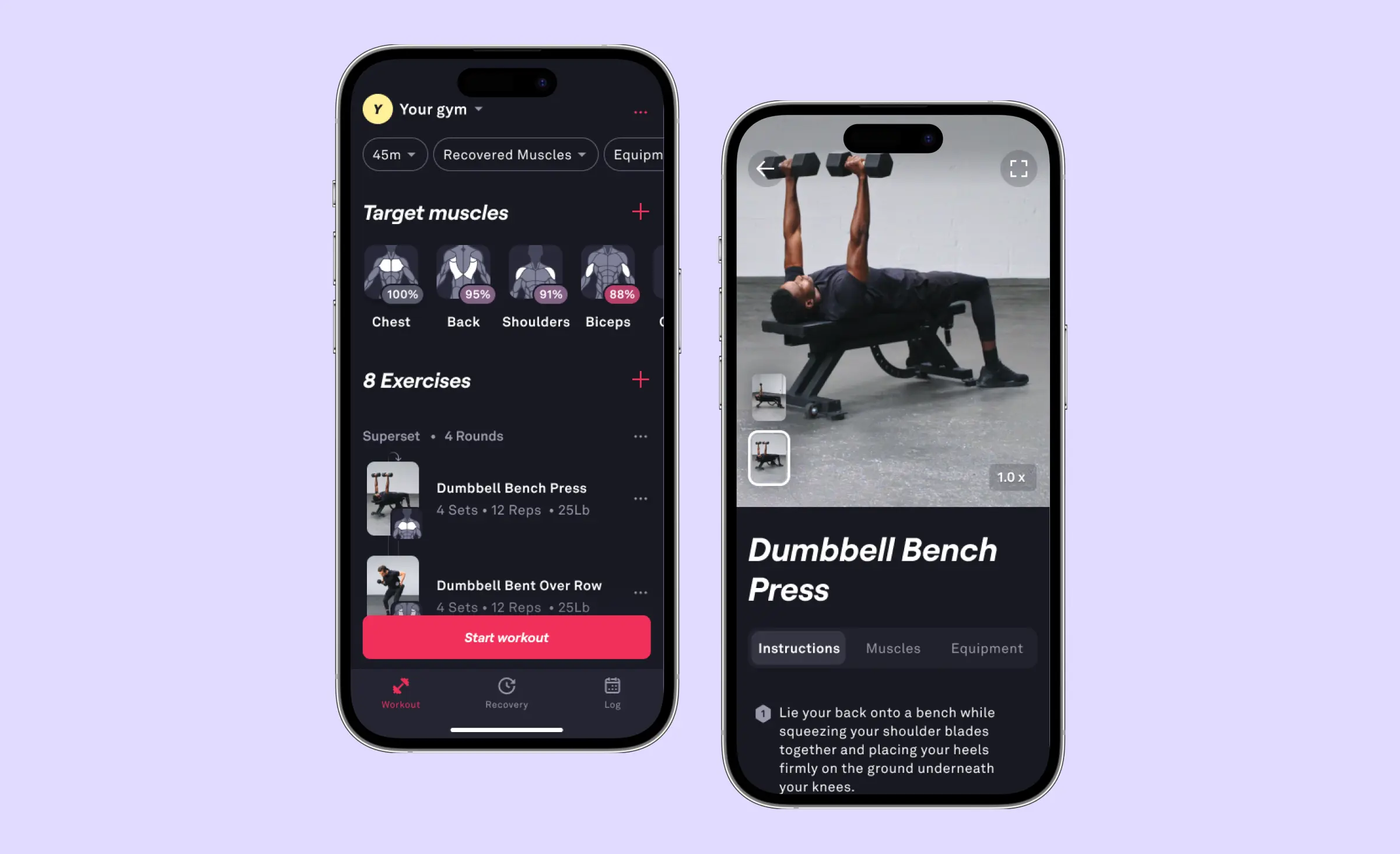
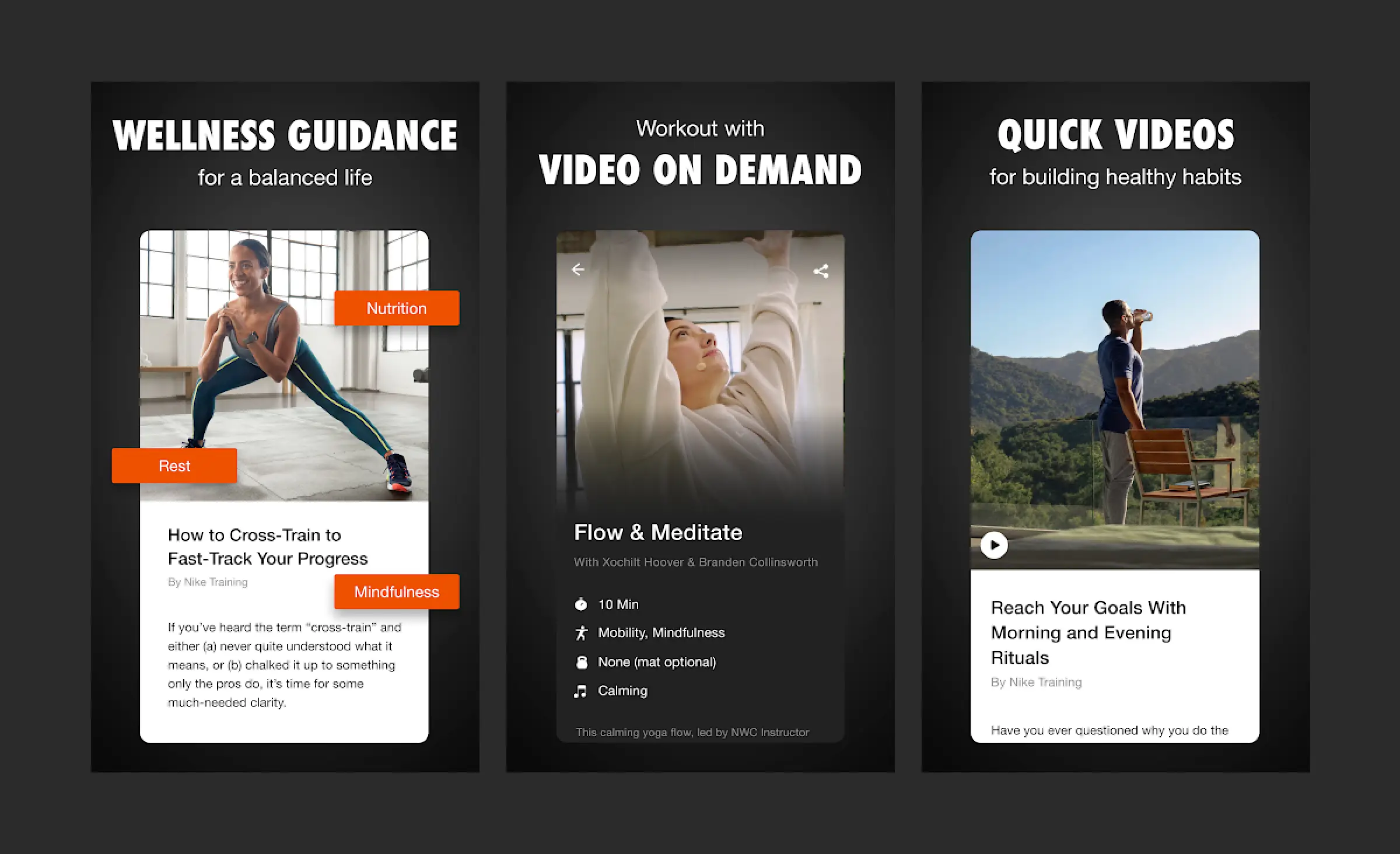
These apps offer a wide range of workout plans, exercise videos, and fitness challenges that can be customized based on individual goals, fitness levels, and preferences. Users can choose from different workout categories such as strength training, cardio, yoga, HIIT, dance workouts, and more. Some fitness applications of this type also include progress-tracking features, performance analytics, and reminders to keep users on track with their fitness goals. Nike Training Club, Jefit, Hevy, and Boostcamp can be called fitness apps of this type.
Diet and nutrition app
These apps provide users with features to input their daily consumption, count calories automatically, track nutrient intake, monitor macronutrients, set personal diet goals, break them down into steps, and motivate users to achieve these goals. Additional functionality that diet apps require includes barcode scanning to ease up food tracking, meal planning tools, recipe storage with energy value counted as well as guided meal recommendations to provide a well-rounded and balanced diet. The example of diet apps include Lose It! And Yazio.
Activity tracking app
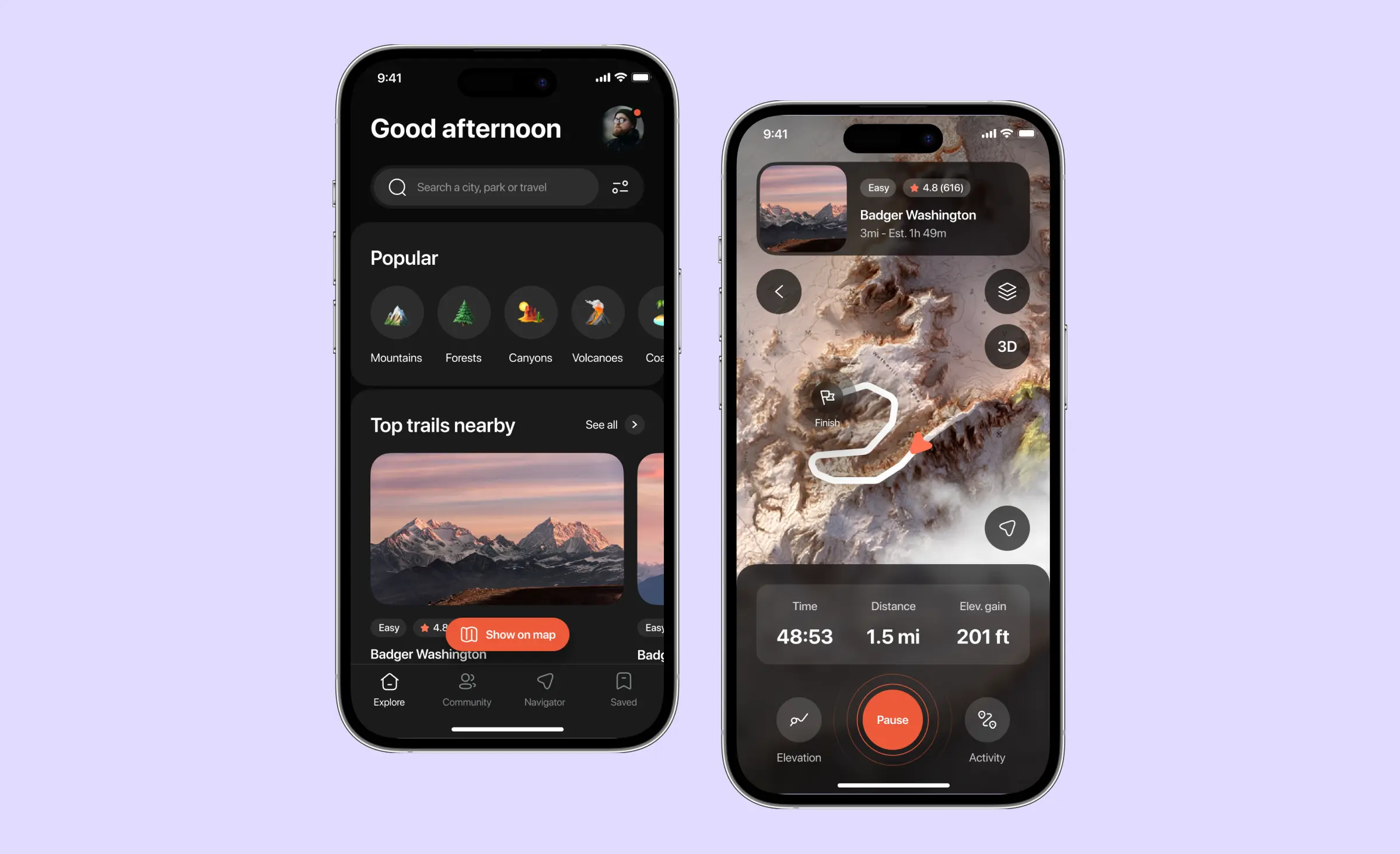
As a part of fitness app development, you may get an application for activity tracking. These apps use GPS technology and sensors to capture data on activities such as walking, running, cycling, hiking, and more. With the help of these tech tools, users can monitor metrics like distance covered, pace, route maps, elevation gain, and calories burned in real time.
Just like all the other apps, activity trackers offer functionality for goal-setting and workout history tracking. Some fitness applications like this include features to share progress with friends, family, and social networks, which improves user’s motivation. They can also collect the data using wearable devices. Strava, MapMyRun, and Google Fit can be called activity tracking app examples.
Personalized coaching apps
This type of fitness app is quite similar to workout apps: it offers workout plans, and lists of exercises and supports the use throughout the sports journey. The difference is coaching apps provide a more personalized approach to the fitness routine. While using it, users can communicate with virtual trainers, watch interactive workout videos, receive real-time feedback, and use progress tracking tools to optimize user performance and ensure accountability. Coaching fitness applications require features for online streaming. Examples include Coach Catalyst, Freeletics, Everfit, and others.
Health tracking apps
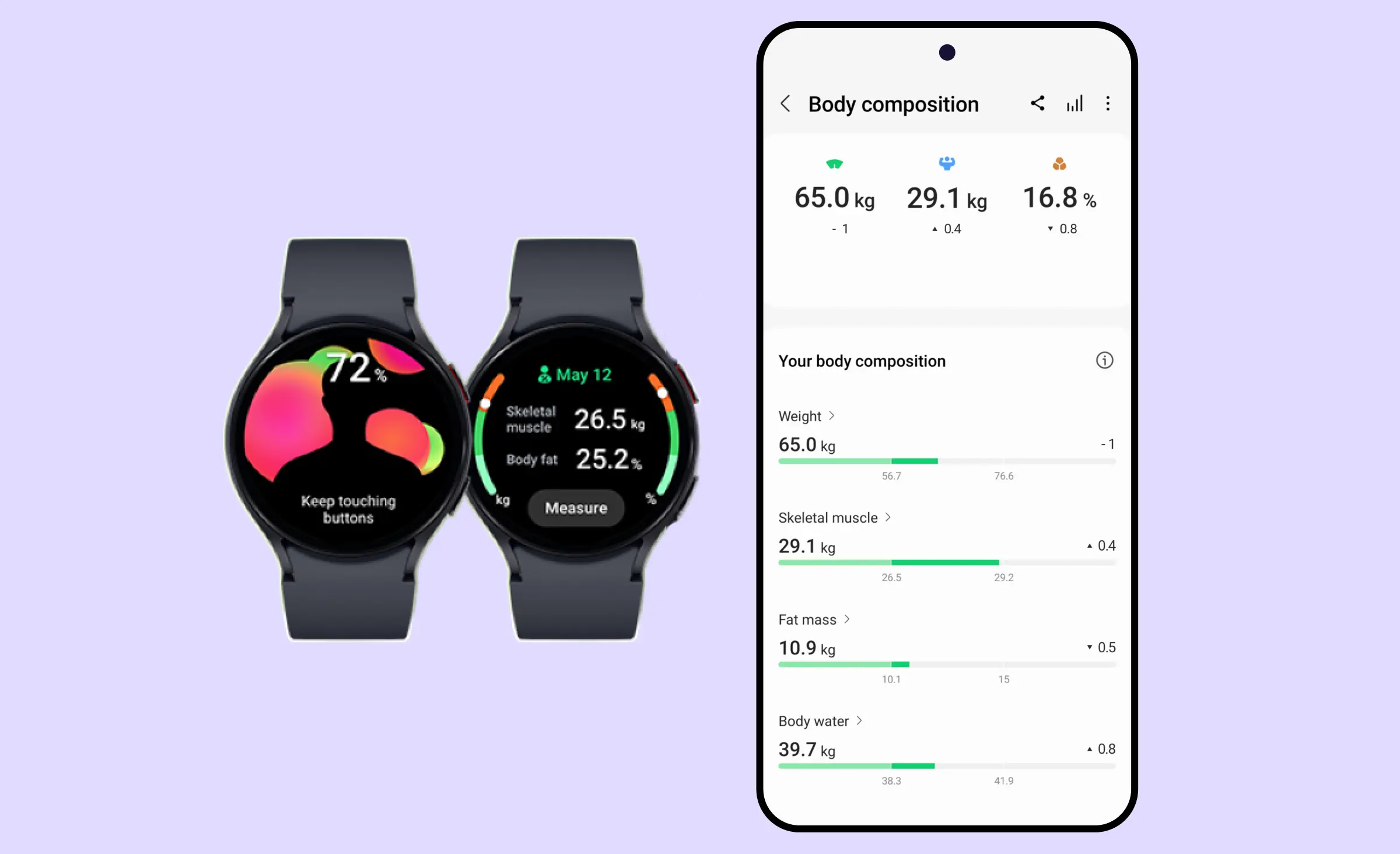
Some users need to daily track their health parameters like heart rate, blood pressure, and blood glucose levels to maintain a healthier lifestyle or for medical purposes. These apps connect to wearable devices and smart scales as well as provide AI tools for data collection, trend analysis, and visualizations, health monitoring apps. Health tracking applications help users to proactively manage their health and make informed decisions. At the same time, they provide doctors with an opportunity to track the health of their patients daily. App examples include Welltory, Neura Health, and others.
Sleep tracking apps
Sleep trackers are a type of wellness app that has gained popularity for helping individuals monitor and optimize their sleep patterns to achieve better rest and overall well-being. These apps use sensors, accelerometers, and sound analysis to track users' sleep duration, quality, and disturbances throughout the night. By providing detailed sleep analysis, insights into sleep stages, and personalized tips for improving sleep hygiene, sleep-tracking apps empower users to establish healthy sleep routines and identify factors affecting their sleep quality. Examples include Sleep Cycle, Pillow, HeySleep, and other apps.
Meditation and mindfulness apps
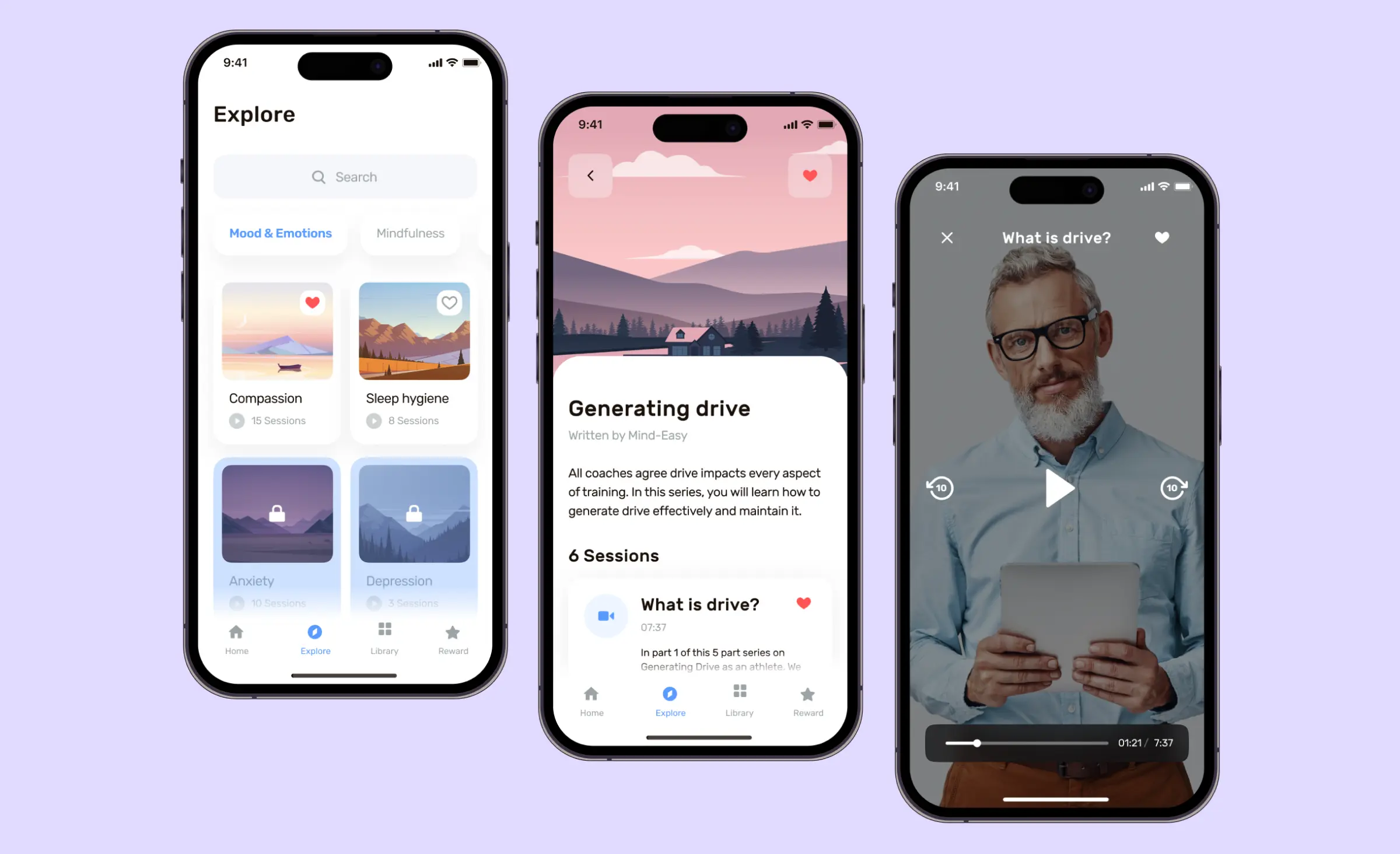
Fitness and wellness don’t only compromise tools for maintaining physical activity, they can also help with mental health. This type of wellness app provides users with a range of guided meditation sessions, breathing exercises, relaxation techniques, and mindfulness practices that are designed to help users cultivate awareness, improve emotional balance, and foster a sense of calmness and mental clarity. With the help of these apps, users of any level of experience in meditation can include these practices in their daily routine. Headspace, Calm, and Insight Timer can be included in the list of meditation apps.
Habit-tracking apps
These apps don’t encourage users to engage in sports activity directly. However, it supports users in creating good habits such as drinking water, taking regular breaks, practicing gratitude, or engaging in physical activity to improve overall well-being. This wellness app will send users habit reminders, dashboards, and motivational prompts to keep users motivated. The app examples include Habitica, Streaks, Fabulous, and others.
We have named only 8 types of apps that you can get as a result of fitness app development. There are many other formats in the field of physical activity such as senior wellness apps and women’s health apps targeted at specific audiences, posture correcting apps, social fitness apps targeted at a specific community of people, and many others. During the mobile app development, you may choose to get any number of features you want and combine these formats if they better match your business goal.



What should we take into account in the process of custom fitness app development?
Before diving into the fitness app development procedure, we should think through some of the app aspects so it could become a viable business tool. Here’s the list of these aspects:
Key fitness app features
In most of the formats, you will need only two apps to maintain the work of your fitness app business: a mobile or web user app, and a web admin panel. If you are going to be an intermediary between the customers and sports coaches, you will need to create an additional app for the coaches who will run video training sessions.
If you want to test your business idea as quickly as possible, you can stick to the MVP approach. This means that you implement a minimum of features for the app to function so it can be tested with early adopters, gather feedback, and further improve the app based on it. Here I’ll enumerate a list of MVP features for a workout app that need to be implemented during the mobile app development.
- User registration — allows users to create accounts, log in, and personalize their profiles.
- Workout library — provides a variety of pre-built workout routines spanning different fitness levels, durations, and exercise categories.
- Custom workouts — allows your fitness application users to create and save their custom workout plans based on their preferences and goals.
- Exercise demonstrations — include instructional videos, images, or text descriptions for each exercise to guide users on proper form and technique.
- Progress tracking — allows users to record their workout sessions, track performance metrics (e.g., sets, reps, weight), and monitor progress over time.
- Reminder and scheduling — implement reminder notifications for upcoming workouts and a calendar feature to schedule future exercise sessions.
- Goal setting — helps users to set fitness goals, track their achievements, and receive motivational feedback upon goal completion.
- Feedback and ratings — collect user feedback through ratings and reviews to improve app functionality and workout content.
Methods to raise user engagement within your fitness app
While planning to engage in fitness app development, any entrepreneur needs to address the issue of user engagement as it directly impacts the app's success and the potential profit you can make within the app. There are several features that can help you raise user engagement:
Provide integration with wearable devices: According to surveys, the usage of wearable devices increased by 9.1% globally in 2025. Connection with wearable devices like smartwatches or scales creates a more immersive experience for fitness application users and provides them with the ability to track workout results on the go. This sphere has evolved rapidly in recent years, and I’ll expand on it further.
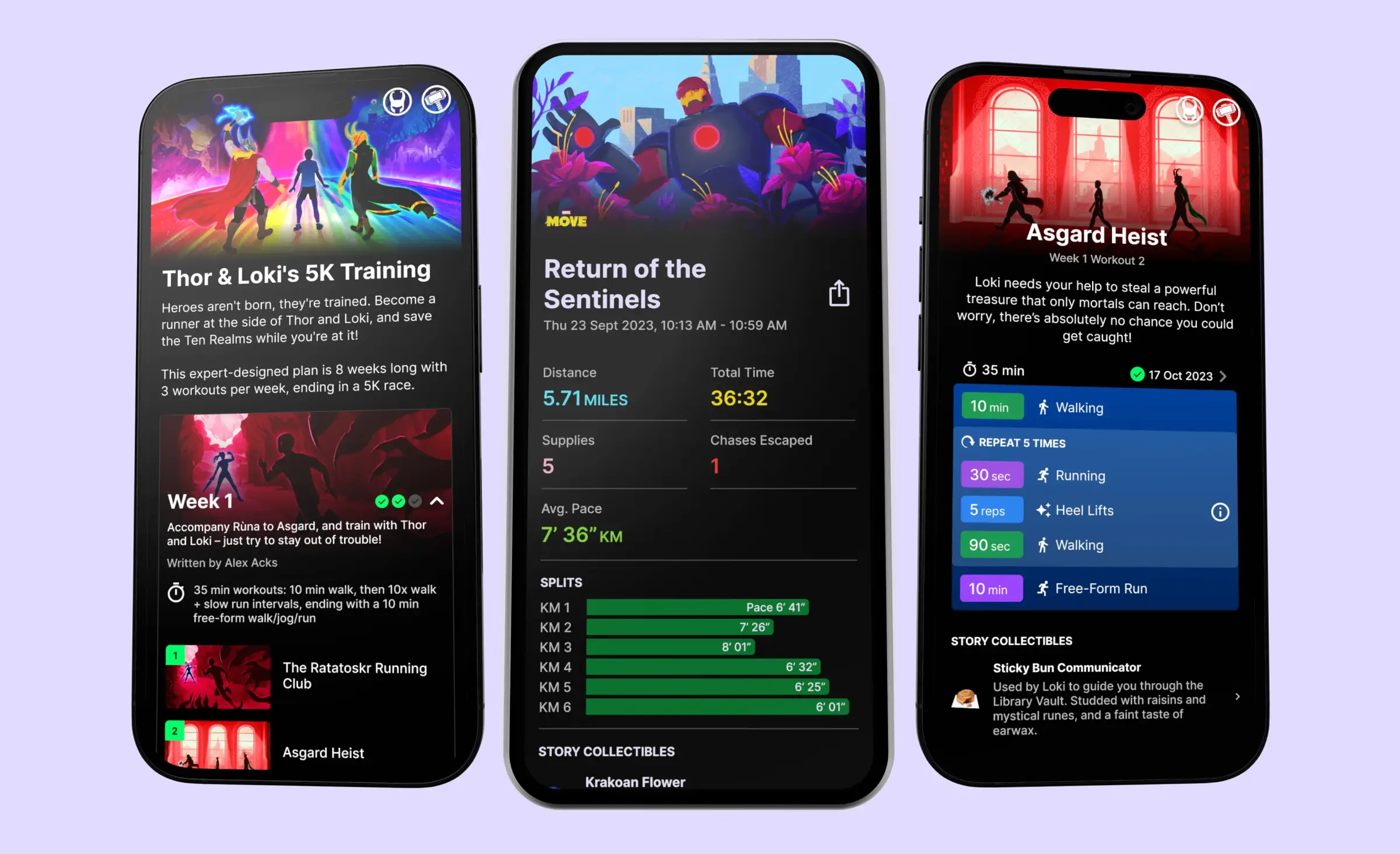
Gamification: Incorporate gamification elements such as challenges, rewards, badges, and leaderboards into your fitness app. Zombies, Run! is a cool example of gamification in the running app. This app gamifies running by immersing users in a zombie apocalypse storyline where they must run to escape zombies, collect supplies, and complete missions to progress through the game.
Social sharing: You can provide your fitness application users with the functionality to share their achievements and progress milestones on social media. As a result, you will get an opportunity to receive new users represented by friends and family of the user who mentions your app on social networks.
Community building: When users feel a sense of community, it supports interaction between them, fostering peer support, and allowing users to connect, share experiences, and motivate each other on their fitness journeys as well as use your fitness app more frequently. Typical community-building features include chats, discussion boards, forums, challenges and contests, and other social networking features.
Personalization: Offer personalized recommendations, customized workout plans, and tailored content based on users' preferences, fitness goals, and progress to improve user engagement and retention.
One method that deserves separate discussion is the use of AI-powered features, which, if implemented wisely, can make a fitness app stand out in the market. Below are some key ways AI can be integrated into fitness applications.
AI-powered personalization and predictive wellness in fitness applications
In 2026 and beyond, artificial intelligence in fitness apps is moving far beyond the basic chatbots and simple workout suggestions we see today. AI is shaping a new generation of wellness experiences that provide users with not only tailored content, but also proactive, holistic support for healthier lives. Based on Ronas IT’s experience implementing AI in clients’ apps, I suggest the following options.
AI for personalized plans
AI engines can seamlessly analyze a broad spectrum of user data — goals, fitness history, skill level, current progress, as well as real-time information from wearables and connected devices. Leveraging this, AI systems build and adapt workout plans, suggest optimal nutrition, recommend personalized wellness routines, and dynamically fine-tune schedules for rest and recovery. Users benefit from plans that truly fit their changing needs, lifestyle adjustments, and even daily readiness.
Predictive health analytics
Modern fitness apps are deploying AI to predict health and injury risks before they arise. By synthesizing user workout history, biometric trends, reported fatigue, and lifestyle factors, AI-driven analytics can flag potential overtraining, burnout, or patterns that increase injury risk. Instead of being reactive, apps can now deliver timely, actionable preventive guidance — for example, rest prompts, alternative workouts, dietary tweaks, or even prompts to consult medical professionals.
Virtual AI coaches
Where early AI chatbots answered basic questions, new AI virtual coaches deliver interactive, real-time coaching. Enhanced with computer vision and voice analysis, these coaches can provide feedback on exercise technique, analyze user-submitted videos, detect common mistakes, and offer form corrections and positive reinforcement. They can also recognize and respond to emotional cues, helping users stay motivated and feel truly supported during their fitness journey.
Generative AI for content creation
Generative AI unlocks unique, on-demand content tailored to individual user preferences. Need a fresh yoga sequence, a new HIIT routine, a meditative cool-down, or a personalized healthy recipe? With AI in the wellbeing domain, content can now be generated dynamically according to users’ goals and activity patterns, so workouts and wellness materials remain varied and engaging.
As AI technology becomes more advanced and accessible, successful fitness apps will increasingly integrate these predictive and generative features, offering users an unmatched level of personalization, motivation, and safety.
Integration with wearables and connected health ecosystems
As CTO at Ronas IT, I’ve witnessed firsthand how the conversation around wearable integration has shifted. Back when we started, syncing with a smartwatch mostly meant tracking steps and heart rate. Fast forward to 2026, and integration with wearables is no longer a mere engagement booster — it’s a linchpin of a much broader, connected health ecosystem. Today, fitness apps are expected to interact seamlessly with not just activity trackers, but also smart home equipment, healthtech platforms, and even clinical health records. Let me walk you through how this deep integration is transforming the digital wellness landscape.
Deep integration with wearable devices
IoT in home fitness
The rise of smart home fitness equipment is transforming exercise routines into immersive, interactive experiences. Fitness apps now connect with a range of IoT-powered devices—such as smart exercise bikes, treadmills, and connected mirrors like Mirror and Tonal. This allows for real-time feedback, performance tracking, and personalized training sessions at home, blurring the line between digital and physical fitness environments. Users can view their stats, receive form corrections, and participate in interactive classes right from their living rooms.
Interacting with healthtech platforms
The frontier of connected health is expanding into collaboration with medical apps and health records systems. With user consent, fitness apps can now exchange data with healthcare platforms and EHR/EMR systems, contributing to a more complete health profile. This not only supports users in proactive wellness and preventive care, but also allows healthcare professionals to access real-world lifestyle data — strengthening insights and recommendations for their patients.
The API-first approach
To enable seamless, secure integration across a diverse ecosystem of devices and platforms, the API-First architecture is paramount. By designing fitness applications around robust, secure APIs from the start, developers can easily connect to new devices, data sources, and healthtech partners as technologies evolve. This provides both scalability and data privacy, creating a frictionless and future-proof user experience in the expanding world of connected health.
Modern fitness apps no longer rely solely on basic metrics like step count or heart rate. Today’s integrations gather complex health data — such as heart rate variability (HRV), sleep quality, recovery scores, and stress levels — to create a comprehensive health profile. Platforms like Wear OS and Apple HealthKit bridge the gap between fitness apps and a vast array of wearable devices, enabling seamless access to this richer health data. For example, users receive more nuanced recommendations not only based on their activity level, but also on their sleep recovery trends and real-time stress patterns.
Monetization strategies for fitness apps
A solid monetization strategy is a vital component of any successful fitness app. These apps can be monetized with classic methods that are usually used in most mobile apps. These include:
- Subscription — a model where users need to pay monthly or annual fees to get access to the app’s functionality.
- Freemium — with freemium, users can access the basic app functionality for free and pay to use premium features.
- Premium — charging users a one-time fee to download the fitness app from app stores like Google Play or Apple App Store.
- Advertising — you can receive revenue by displaying third-party ads in the app, for example with Google AdMob.
However, fitness apps provide many other opportunities for generating revenue including the following examples:
- E-commerce functionality — you can either sell goods of your own brand or branded merchandise, fitness apparel, equipment, or nutritional supplements within the app, allowing users to make purchases that complement their fitness journey.
- In-app fees — if you serve as an intermediary for trainers and their customers, you can get fees for training sessions that trainers organize with your digital platform.
- Premium workout plans — offering premium workout plans, coaching sessions, or personalized training programs as in-app purchases for users seeking advanced fitness guidance.
- Fitness challenges — organizing virtual fitness challenges, community events, or group workouts that users can join for a fee, with the opportunity to win prizes or rewards for participation and achievement.
- Brand promotion — you may be the owner of a sports brand or a network of gyms, and you can promote your own brand via the fitness app. You may engage users in the online community and then persuade them to buy your goods or services.
You can use multiple monetization strategies within your app. For example, you can mix a subscription model to make the monthly income more predictable and sell goods and in-app content that caters to the different needs of the user. One of our clients used a combination of monetization models within their app, offering subscription plans along with in-app promotions and the Google AdMob API.
Laws that fitness apps should comply with
Fitness apps usually collect and use users’ personal information and health data. Therefore, it’s extremely important to comply with them in the process of fitness app development, otherwise, you may encounter heavy fees. Below we’ll provide a list of regulations to comply with. It’s worth mentioning that we enumerated laws that are valid in the territories of the USA and European Union. However, the analogs of these laws exist in most countries, and that’s why you’d better find and check them.
- General Data Protection Regulation (GDPR): During mobile app development, you will have to make sure that the app complies with GDPR requirements for data protection and privacy standards, particularly for users in the European Union. This means the app developer will have to include features for users to provide consent for data processing, clearly communicate privacy policies, offer options for data deletion, and incorporate data encryption to secure user information.
- Health Insurance Portability and Accountability Act (HIPAA): HIPAA is a law connected to the protection of the user’s health data protection. It is established in the US, however, it has its analogs in Australia, Canada, the UK, and other countries. To comply with this law, implement HIPAA-compliant features such as secure data transmission, user authentication mechanisms, audit trails for data access, and robust data backup and recovery solutions.
- Children's Online Privacy Protection Act (COPPA): If you want kids under 13 to be able to train with your app, you’ll need to comply with COPPA. To make your fitness app COPPA-compliant, you need to implement age verification mechanisms, obtain parental consent before collecting any personal data from children, offer parental controls for monitoring and managing children's activities, and incorporate child-friendly privacy settings.
- Payment Card Industry Data Security Standard (PCI DSS): Adherence to PCI DSS standards is necessary for apps processing online payments to secure payment card data, prevent fraud, and maintain secure transactions. Developers must implement encryption protocols, secure payment gateways, and regular security assessments to comply with PCI DSS requirements and protect users' financial information.
Advanced compliance and data security in fitness and healthtech
If you’re planning to work with a technology vendor on your fitness or health product, let me be candid with you: compliance and security are not boxes you check at the end — they’re ongoing, critical responsibilities that shape your entire healthtech development journey from day one. Based on my experience as CTO at Ronas IT, here’s exactly what you should be prepared for, and how we approach this challenge on every project.
Security privacy by design: Our guiding principle
At Ronas IT, treating compliance as an afterthought simply isn’t an option. Instead, “Security & Privacy by Design” is woven into every phase of our development process — from initial system architecture to post-launch support. That means data minimization, access controls, and user consent flows are built right into our project sprints, not added as “quick fixes” at the last minute. This proactive approach minimizes risk, keeps you ready for audits, and avoids costly reworks down the road.
Modern standards and certifications matter
Of course, we cover the usual suspects like GDPR and HIPAA. But in today’s landscape, that’s just the starting point. If your app handles sensitive data, especially in B2B partnerships, you need to show a systematic approach to information security. That’s why we architect our solutions with SOC 2 and ISO 27001 standards in mind, offering a level of transparency and control trusted across industries. These frameworks give you, your partners, and your users confidence that information is handled and protected methodically.
PII vs PHI: Why the distinction matters
Not all data is equal. Personally Identifiable Information (PII) — like a user’s name or email — deserves protection, but health apps also collect Protected Health Information (PHI), which comes with even stricter legal and technical requirements. We plan for this from the outset, with architectures and workflows specifically designed for PHI scenarios. This means additional layers of security, explicit access tracking, and granular user consent management.
Our toolbox: Technologies and best practices
I push our teams to adopt the highest standards, combining:
- End-to-end and at-rest encryption: Data stays protected wherever it goes or resides.
- Role-based access control (RBAC): Only the right people — never everyone — see sensitive records.
- Full audit trails: Every access and change is logged, traceable, and reviewable.
- Secure CI/CD pipelines: Our deployment process is built to block vulnerabilities before they reach production.
- Zero Trust architecture: Every user and device must prove themselves, every time, with no exceptions.
This mix isn’t theoretical — it’s how we operate, project after project, building a compliance-focused foundation that stands up to changing regulations and security threats.
Important legal note
A final word from the CTO chair: while Ronas IT takes care of implementing industry-leading technical controls and compliance features, the legal responsibility for regulatory adherence always rests with the product owner. I advise all clients to seek regular legal guidance and consider periodic compliance audits as your business grows and laws evolve.
Building in compliance and security from day one isn’t just best practice; it’s a strategic advantage. If you’re committed to gaining users’ trust and minimizing risk, this is the level of diligence you can expect when you work with us.
Ronas IT experience
As a fitness app development company, Ronas IT team has participated in several health and wellness projects: we developed a fitness app, created a design for a mindfulness mobile app, created illustrations for a physiological podcast mobile application, and participated in many other fitness app development projects.
We have a prominent mobile app development project, I’d love to share with you. A few years ago our team designed and developed a classic fitness application for home training with fitness coaches called Fitness Buddy. I’d love to tell you about the project flow step by step.
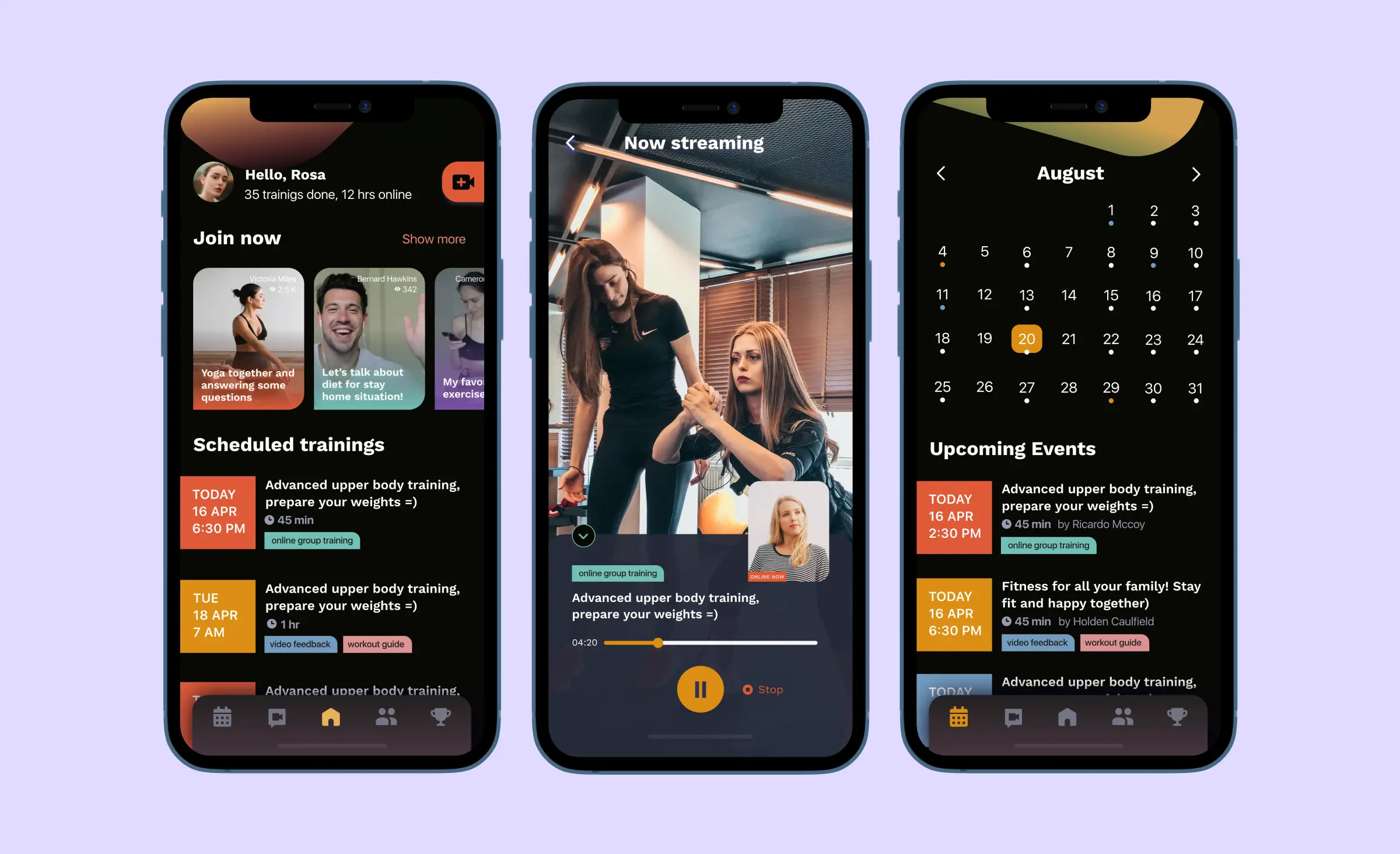
Creating a list of features. We usually begin the work with the discovery phase, where our managers contact the customer and find out about the requirements and business goals. Based on this information, they create a list of the features for fitness app development and estimate the timeline of the development and price. It was decided to implement the following list of features:
- Login — users can sign up with their email or social media account and restore the forgotten password.
- Watching broadcasts — users can watch broadcasts run by coaches and other users.
- Streaming yourself — users are provided with features to run their streams.
- User profile — in the profile, users can leave their info, set access, change passwords, and see reviews from other users.
- Calendar — displays the training sessions available for the user, sessions can be filtered.
- Coach account — users can read information about coaches to choose the most suitable ones.
- Goal setting — users can set training goals and track their progress.
- Connection with wearable devices — users can input information about their activity and heart rate through the smartwatches.
UI/UX design. Our designers created wireframes and a mind map to fix the fitness app features and represent the layout and complicated flows of the future app. After the preparatory phase, they created a detailed design.
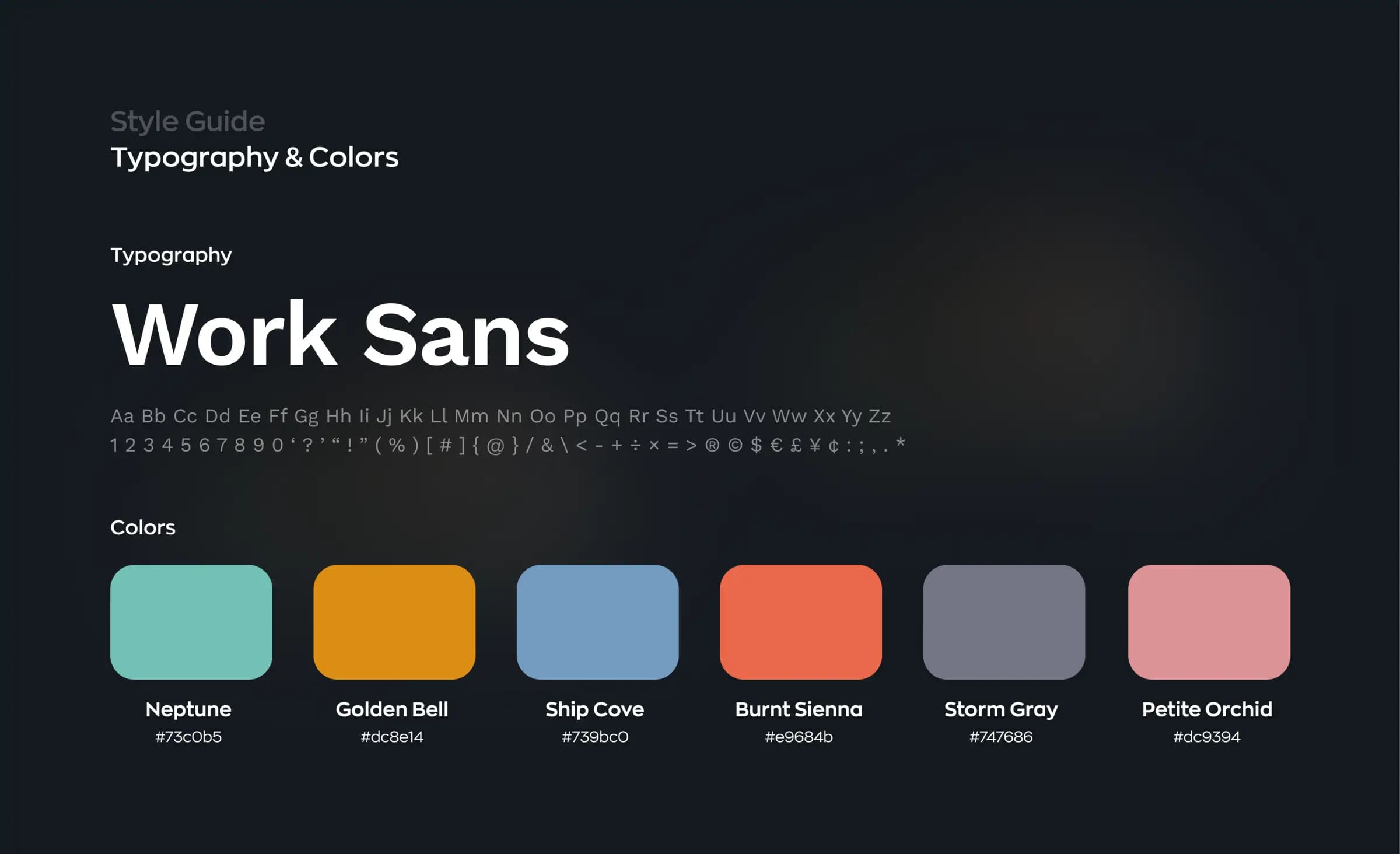
For this fitness application, we chose the dark theme, so it is convenient to use both during the day, in the rays of the dawn sun, or late in the evening. The dark background is complemented with vivid accent colors creating an outstanding app look.
Development. After UI/UX design mockups were completed and approved by our customer, we started the coding phase. At this stage of custom fitness app development, we used the following tech stack.
For mobile app development, we used React Native, a framework that allows the creation of applications compatible with iOS and Android at the same time. The usage of this framework helped to save both the time and resources of the customer since we could create only one code base in JavaScript and implement it for both platforms.
“We recommend React Native because it really helps our clients get to market faster without stretching the budget. With one codebase for both iOS and Android, we can focus on adding new features and improving the app instead of duplicating work. It also opens up a lot of flexibility — making future updates, integrations, or even expanding to the web much smoother down the road.”
Alexander Storozhevsky, Lead Developer at Ronas IT
In the process of mobile app development, we also used Redux, a powerful state management tool designed for managing application state and data flow within the app, and Node.js as the server-side runtime environment for developing a scalable backend of the app.
We provide video streaming by using a combination of WebRTC and Google Cloud infrastructure. The former facilitates seamless peer-to-peer audio and video communication, real-time data exchange, and low-latency streaming capabilities, while the latter offers secure, scalable, and reliable storage solutions for hosting a large volume of video content.
In the process of fitness app development, we also needed to provide features for connecting wearable devices to the application. We made it real by using Wear OS and HealthKit to enable these features for iOS and Android.
Results. Our team has managed to complete this fitness app development project within 14 weeks. The app was launched in the app stores. The customer was satisfied with our work and stayed with us to make further enhancements to the Fitness Buddy application.
Another example of our wellness development expertise is a project dedicated to workout and health tracking applications. You can read more about it here.
Discussing fitness app development cost
App development pricing is a complicated issue that relies on several factors. These include the complexity of your app, the number of its features, and the approach to the development. More than that, it will depend on the hiring model you choose. If you are going to hire an in-house team, you will need to pay your employees, which will constitute the fitness application’s price.
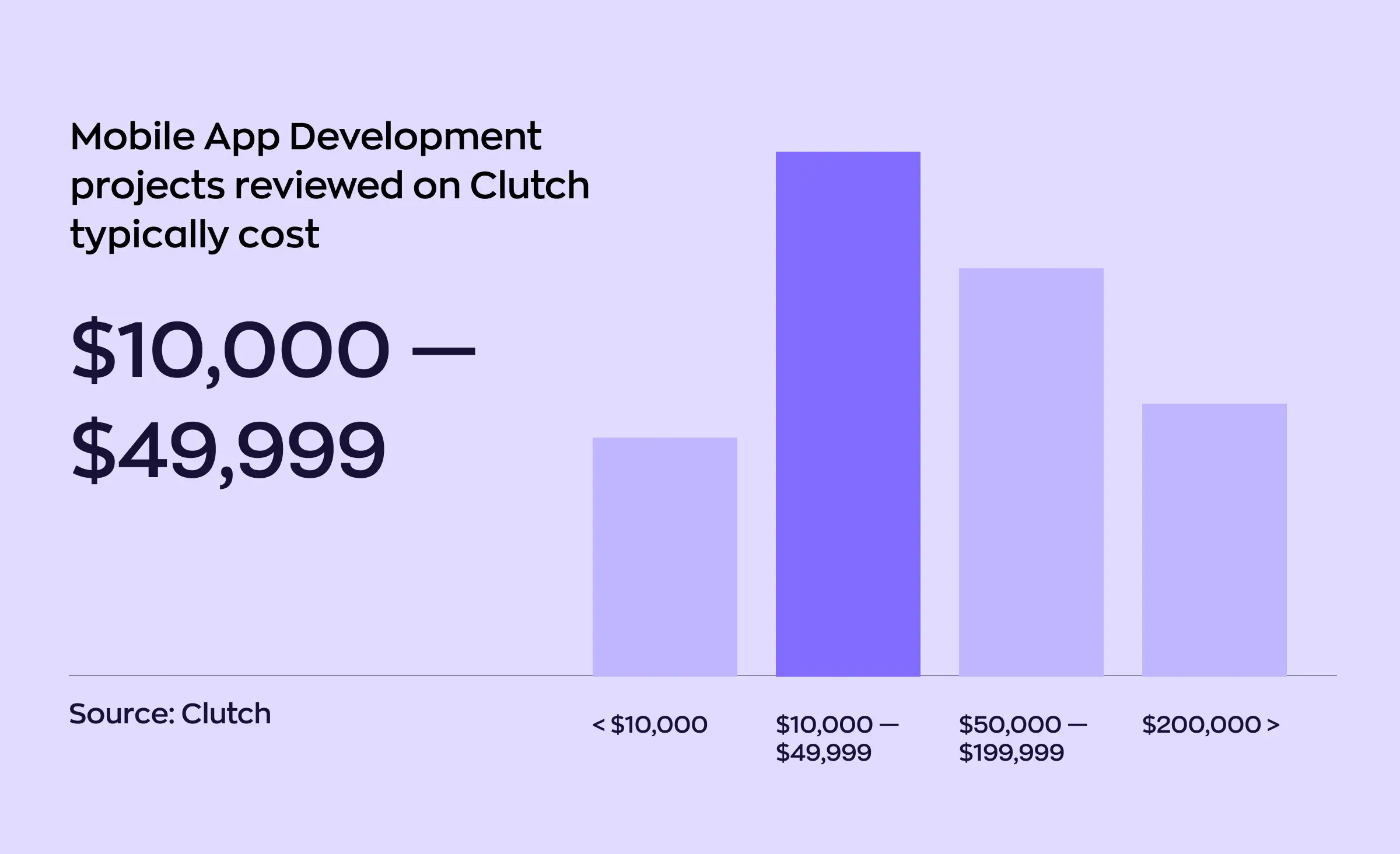
If you are to use outsourced fitness app development services, the price depends on the hourly rate, the third-party agency charges, its location, and experience. To provide you with the average price estimate, let’s take a look at the graph provided by Clutch. Here's the price custom software agencies usually charge for mobile app development.
During 15 years on the market, our fitness app development company has gained comprehensive experience in project estimates. We can find out your requirements and your idea, create a breakdown by features, and estimate the timeline and cost of the application. Here’s one of our estimate examples.
| Entities | UI/UX design | Development | Project management |
|---|---|---|---|
Features:
| 106 hours or 4 weeks ~ $4,240 | 800–900 hours, 5–6 months ~$40,000–$45,000 | Works in parallel with the teams $320 per week |
| Total: $51,920–$58,200 | |||
When counting the fitness app development cost, we need to keep in mind that an estimate for each of the apps will vary depending on their features and complexity. Except for fitness app development services from outsourced agencies, you may choose freelancers as your contractors. Although this is a viable scenario, you may face problems in communication with them and hardships of forming a functioning team that leads at each stage from idea to UI/UX design, development, and release.
Wrapping up
In conclusion, the rise of health-conscious trends has propelled the growth of the fitness app industry, offering a wealth of opportunities for innovation and creativity. The market is ripe for new ideas and formats that cater to the evolving needs and preferences of users seeking engaging and effective fitness solutions. Drawing inspiration from successful examples like the Zombies, Run! app, which gamifies running with a unique storyline, you are encouraged to explore and implement our boldest ideas in the fitness app space.
Related posts




Related Services
React Native App Development Services
Save time and costs with Ronas IT's React Native app development, allowing cross-platform capabilities for iOS and Android. Our team has built 20+ React Native apps since 2020, ensuring rapid development, flexible maintenance, and cost-effective solutions.
MVP Development Services
Need to launch your startup quickly? Ronas IT offers urgent MVP development services, allowing you to get a fully-functional app in 4 to 12 weeks, depending on scope. Ideal for testing business ideas, presenting to investors, or entering the market swiftly. Benefit from our extensive experience and accelerated development process.
Cross-platform App Development
Ship to iOS and Android from one React Native codebase instead of funding two native teams. Ronas IT handles UI/UX design, development, and the releases to Google Play and the App Store, delivering high-performance, secure apps within 2 to 4 months.