Open banking integration for fintech: Benefits, challenges, and best practices


Open banking integration is changing the way financial technology companies build products and serve customers. Today, banks and fintechs can work together to deliver secure financial innovation, creating seamless experiences that weren't possible before. With the rise of digital transformation and the continued growth of the fintech ecosystem, more teams are investing in fintech solutions development to stay ahead.
These changes are fueling digital banking transformation on a global scale, helping organizations create smarter, faster, and more personalized services. In this article, we'll explore how open banking works, what benefits it brings, and what you need to know to launch such fintech solutions.
What is open banking and its key benefits?
Open banking is reshaping the way people and businesses interact with financial services. At its heart, open banking integration means banks and other financial institutions securely share data with trusted third parties like fintech apps with the customer's permission. This is possible through API banking integration, which lets different platforms “talk” to each other instantly and safely.
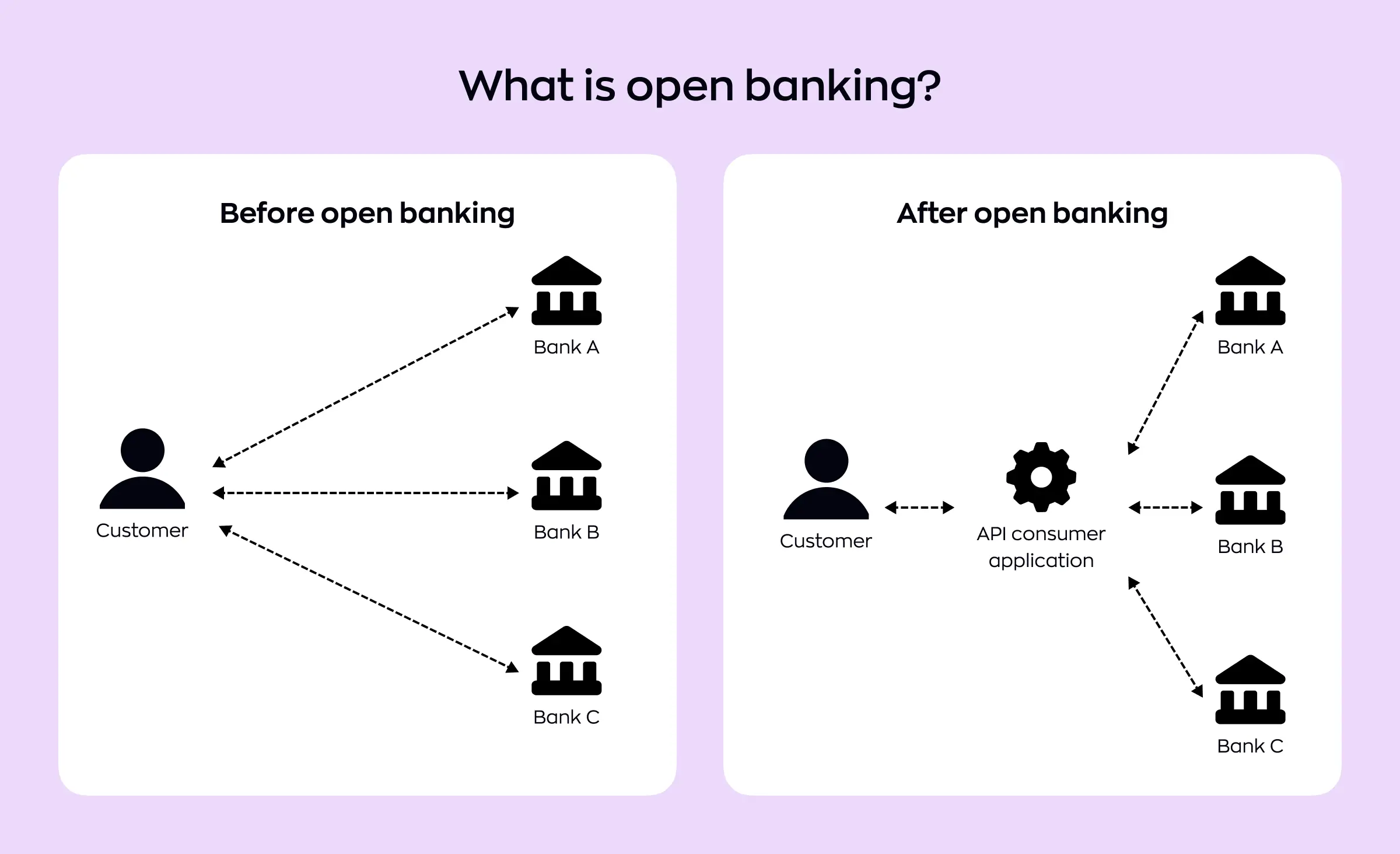
Thanks to open banking, everyday actions, such as sending money are faster and more personalized. Financial data sharing fuels new products and services and strengthens the fintech ecosystem. Companies like Revolut and Plaid are leading this digital banking transformation by offering new ways to manage money across institutions.
Here are the key benefits that open banking brings to fintech businesses and end users:
Secure financial innovation
Open banking encourages secure financial innovation by allowing companies to build apps and tools that use customer banking data, without the risks of screen-scraping or insecure passwords. As a result, users gain access to advanced budgeting tools and smarter payment solutions.
Personalized financial services
With open banking, fintech companies can analyze spending habits and offer personalized financial services. This means users might get tailored recommendations for saving, investing, or even insurance, right inside their banking app.
Competitive edge for fintech companies
Open banking accelerates financial services innovation. Startups and established firms can compete on a level playing field, leading to better products and lower costs. Open API access means almost any company can create fresh solutions for users.
Better customer control and consent
Customer consent management is built into open banking. Users decide which apps can see their information and can revoke access anytime, which improves trust and transparency.
Improved payment and account services
Payment initiation services (PIS) and account information services (AIS) are two breakthroughs of open banking integration. For example, users can pay directly from their accounts through a fintech app or pull all their financial data together in one dashboard.
Faster digital banking transformation
Open banking pushes banks and fintech firms to adapt quickly, fostering real digital banking transformation. It encourages institutions to upgrade technology and offer better, more flexible products to keep up with customer needs.
A stronger fintech ecosystem
With secure API banking integration, the fintech ecosystem grows more connected and efficient. Companies can offer banking as a service (BaaS), partner on joint offerings, and reach new markets, all while protecting user data.
Open banking is setting the stage for a new era in finance — one where users are in charge, and companies constantly push boundaries. Next, let's look at the regulations that make open banking possible and safe.
The regulatory framework behind open banking
Open banking would not be possible without a strong and up-to-date regulatory foundation. Governments are building rules to keep users safe while making financial data sharing easy and trustworthy. For anyone working in financial technology, understanding these rules is key to developing products that are compliant.
PSD2 and the global move toward open finance
One of the most important laws in Europe is PSD2 compliance. This regulation requires banks to open up their payment services through secure APIs, paving the way for open finance API solutions. PSD2 compliance also helps stop fraud by requiring strict security checks and two-factor authentication for sensitive actions. As a result, both banks and tech providers can focus on secure financial innovation without compromising user protection.
Beyond Europe, other countries are introducing their own fintech regulatory framework. Whether in the UK, Australia, or Singapore, these rules focus on giving users more control over who can access their information.
Data privacy and consent
Successful customer consent management is a core requirement everywhere, with users able to allow or revoke access at any time through simple interfaces. Data privacy finance rules are also evolving rapidly. Regulators like the European Union have set high standards, such as GDPR, to protect personal information while supporting responsible financial data sharing.
Every fintech company handling user data must pay attention to digital identity management, ensuring that users' identities are verified and protected across all services.
Strong fintech regulatory frameworks help build trust in open banking. When everyone follows common rules for data privacy, consent, and transparency, users and businesses both benefit.
Key components of open banking API integration
To deliver seamless open banking experiences, fintech companies need to understand the core building blocks of API banking integration. At the center of this process are robust APIs that help banks and third-party applications communicate securely and reliably. The right approach to API development makes it easy to connect different financial tools and offer innovative services to users.
Standardized API banking integration
The foundation of open banking is standardized API banking integration. APIs allow applications to quickly and securely access account information, payment data, and other services offered by banks. Consistent standards mean faster adoption and easier partnerships across the growing fintech ecosystem.
API development best practices
Successful open banking solutions depend on clear documentation, strong authentication, and scalable API development. For many teams, building and maintaining APIs calls for close attention to security, uptime, and performance. Choosing RESTful or open finance API protocols helps ensure smooth data transfer between products.
Backend architecture
Modern financial technology often relies on flexible backend development and modular infrastructure. Fintech software development usually includes cloud-based systems, reliable data processing, and secure integrations with existing banking software. A well-architected backend gives your platform room to grow while keeping sensitive data safe.
Adapting to rapid change
Open banking drives digital transformation across the financial industry. Companies focused on fintech solutions development are continually updating their platforms to adapt to new regulations, customer demands, and business opportunities. Custom software development allows each fintech to offer unique experiences and add value for users.
The right API strategy supports secure financial innovation by protecting user privacy and enabling trusted services. As open banking evolves, collaboration between banks, technology providers, and regulators is essential to keep improving security and functionality.
Security and compliance in open banking API development
When working with sensitive financial data, maintaining robust security and compliance is essential. For any company involved in open banking, API security fintech strategies are front and center. Every integration must consider how to defend against threats.
Core principles of security
A strong approach to cybersecurity helps protect both users and organizations. Secure software development includes rigorous testing, code reviews, and the deployment of up-to-date security practices. In the world of open banking, these habits are critical for preventing breaches and ensuring user trust.
API security
Effective API banking integration requires security at every step. API security fintech measures include encrypted connections, strict access controls, and real-time monitoring for suspicious activities. Following PSD2 compliance guidelines also means using mechanisms like multifactor authentication to block unauthorized access.
Protecting privacy and digital identity
Companies must treat personal and transactional data with care. Data privacy finance standards demand careful management of user information and adherence to consent requirements. Implementing strong digital identity management processes ensures only verified users gain access, and that identities cannot be misused.
Compliance and regulations
Adhering to the fintech regulatory framework is non-negotiable for any open banking initiative. Regulations require organizations to put strict controls in place and document their processes. Secure software development must be a continuous effort to keep software updated as threats evolve.
Staying on top of compliance not only avoids legal issues but also supports secure financial innovation. Cybersecurity should never be an afterthought — it's a key factor in maintaining lasting trust and relevance in the industry. With the right security practices, data privacy finance can go hand in hand with breakthrough products and seamless customer experiences. Digital identity management and robust API banking integration are pillars of confidence for your users and partners.
Building and scaling your fintech open banking product
Turning an idea into a working open banking solution takes careful planning and technical know-how. From the early days of fintech software development to a product's growth in the marketplace, each decision shapes your success.
Laying the foundation: Secure development
Custom software development allows you to build products tailored to your audience and business needs. The right approach to secure software development makes sure these solutions protect users and data from the start. Partnering with experienced teams in fintech software development and backend development helps you avoid common pitfalls and launch with confidence.
API integration and real-time capabilities
Modern open banking relies on API development to connect different platforms and services. Robust API banking integration lets users access features like payment initiation services (PIS) and account information services (AIS) from a single interface. Real-time banking is now expected by customers, so consider how your backend development supports live updates and quick transactions.
Mobile-first design
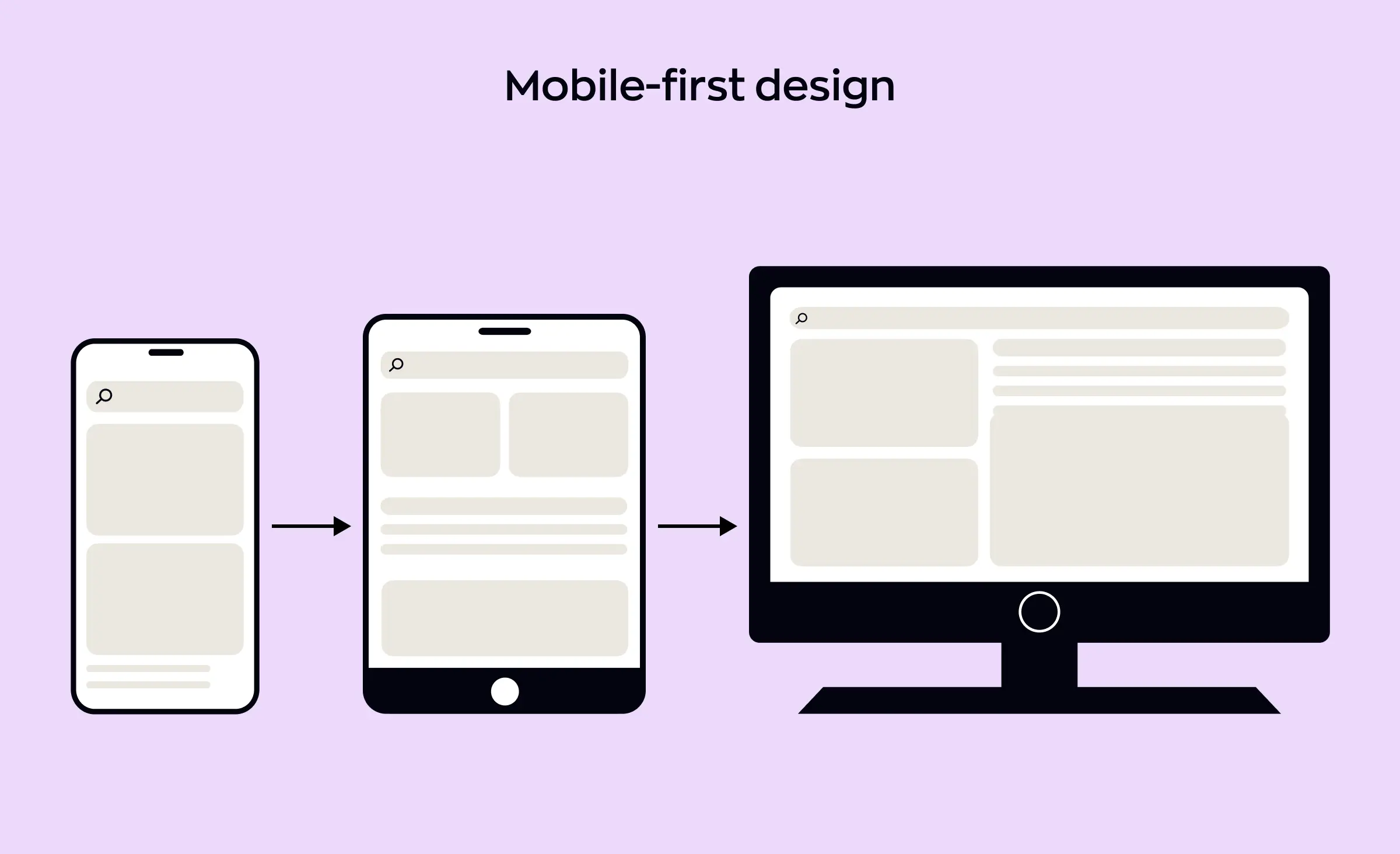
Customer expectations for digital banking transformation are high, especially on mobile. Mobile banking app development needs to combine intuitive design with robust features, letting users access financial data sharing, real-time banking, and personalized financial services anywhere, anytime. These features drive wider digital transformation and keep your banking software at the cutting edge.
Scaling within the fintech ecosystem
As you grow, your product must adapt to changing regulations, customer numbers, and market trends. Continuous API development and banking software updates play a key role in scaling. Building for the broader fintech ecosystem means ensuring your solution integrates with new partners and remains relevant in the fast-changing world of financial technology.
By focusing on custom software development, modern API banking integration, and innovative backend development, your product can deliver consistent value and trust. Prioritizing secure financial innovation, adaptable mobile banking app development, and forward-thinking strategies ensures you support digital banking transformation.
How can Ronas IT help?
Partnering with the right team is essential for fast and reliable fintech solutions development. At Ronas IT, we have deep expertise in API development, backend development, and custom software development for financial technology. Our approach brings together secure software development, rapid delivery, and compliance with today's demanding standards.
Security-first approach
From the start, we put cybersecurity and API security fintech at the core of every project. We never interact directly with users' finances — instead, we connect to licensed bank providers through secure, PCI DSS-compliant cloud services. Tools like GitLab and ArgoCD help keep our processes safe, while frameworks such as Laravel offer automatic protection against major threats. We use the least privilege principle, strict access controls, project VPNs, and automated tests to ensure API security fintech and meet all regulatory requirements.
Flexible architecture and fast scaling
Our expertise in fintech software development means we design flexible systems that support growth. For startups and scale-ups, microservice architecture lets us update and scale services independently — keeping your banking software stable and responsive. With Kubernetes, we can adjust resources in real time as your user needs change.
Regional compliance
Banking software must meet both legal and technical rules in every region. We always review BaaS solutions, focus on digital identity management, and check documentation for compatibility so your product supports digital transformation and stays compliant everywhere it operates.
Faster market launch
A short time to market matters in fintech solutions development. Ronas IT can work closely with your internal team to build efficient workflows for custom software development and automated testing. Our expertise in mobile banking app development means your updates are quick, reliable, and secure.
No vendor lock-in
We choose open-source solutions for all fintech software development, so you remain in control and free to change partners when needed. Our focus is to help you grow and never to limit your options.
Examples of our fintech projects
Trading platform, Nigeria
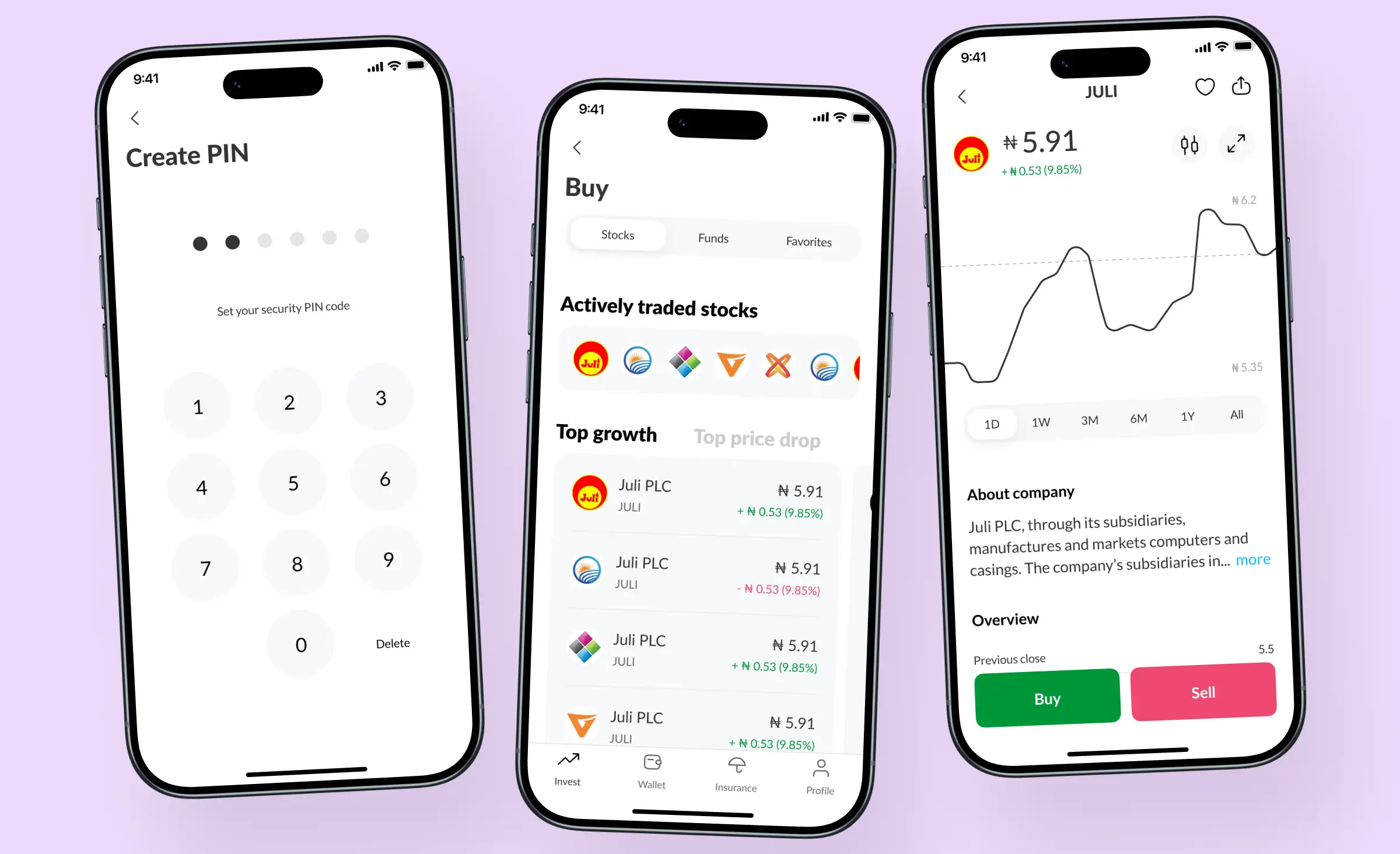
We rebuilt a Nigerian trading platform after the client's initial fintech app was plagued with technical and design issues. Our team delivered a user-friendly interface, introduced secure KYC with local services, and set up a stable, scalable infrastructure on Kubernetes. By using NGX group APIs for real-time data and ensuring full compliance with local laws, we helped the client launch a reliable app now serving over a thousand verified users.
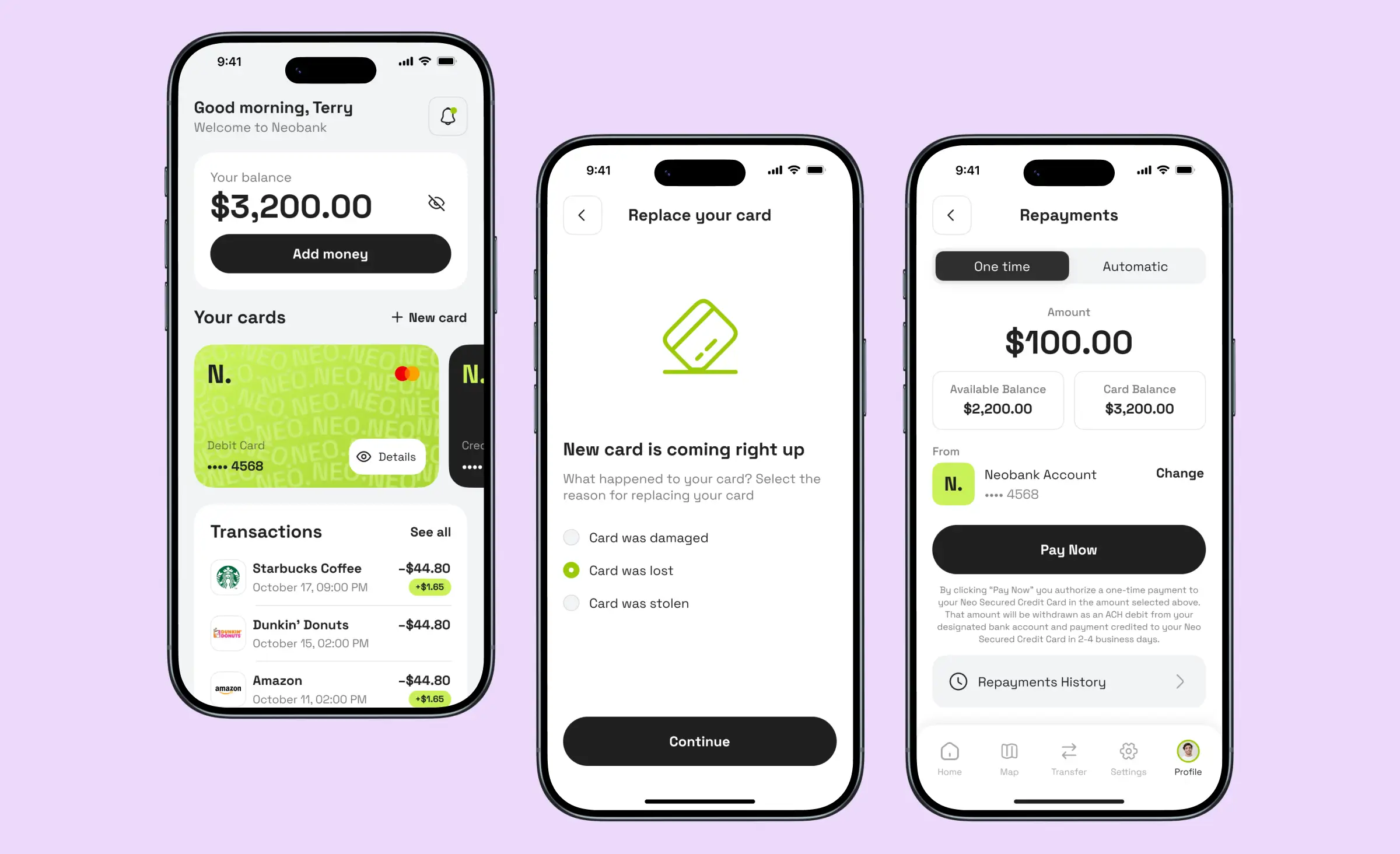
For a US-based neobank, we handled app development, UI/UX, and backend architecture using React Native and Laravel. We integrated advanced KYC solutions and connected with Bond's Banking-as-a-Service, prioritizing security and regulatory compliance with measures like SOC 2 certification and encrypted data flows. The result: a live, App Store-approved product with a growing user base.
Anti-fraud and 3DS2 orchestration payment solution, Australia
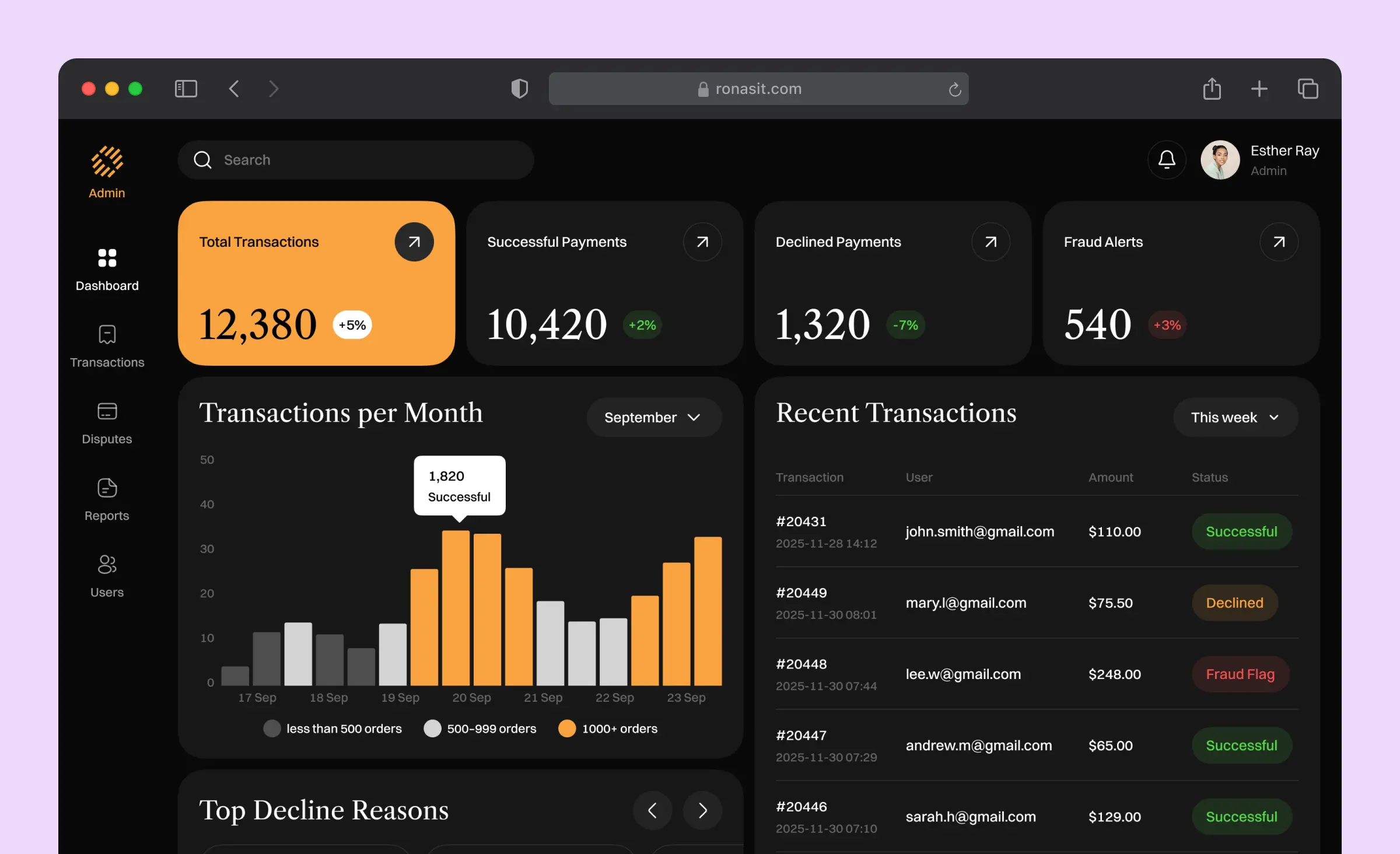
For an Australian travel platform, we built a secure payment solution with a quick, user-friendly checkout, adaptive 3DS2 verification, and options like PayTo/PayID for failed card payments. All sensitive data is handled by the payment provider, ensuring PCI compliance and privacy. Our custom admin panel gives the client control over fraud settings and real-time payment reports. Following launch, the platform saw more successful payments, reduced fraud, and full compliance with Australian laws.
With Ronas IT by your side, your banking software benefits from the latest in API development, digital identity management, and digital transformation — delivering secure, innovative financial technology for your users.
Future trends in open banking and financial technology
The future of open banking brings rapid change to the fintech ecosystem. Here are the key trends shaping the next wave of financial technology:
Smarter banking with AI
AI in fintech is revolutionizing everything from customer support to fraud detection. As artificial intelligence becomes more common, it will drive highly personalized financial services, automated investment tools, and better decision-making for both businesses and customers. AI in fintech is also helping firms keep pace with customer demands for instant, data-driven experiences.
Advanced digital identity management
Digital transformation relies on strong digital identity management. Future solutions will make it easier to verify users across platforms, speed up onboarding, and protect against identity theft. Advanced digital identity management is key to secure financial innovation and building user trust in a connected world.
Evolving regulations
The fintech regulatory framework will continue to adapt as new technology appears. These evolving rules encourage safe financial services innovation while ensuring compliance. Companies that keep up with regulations can respond quickly to customer needs and new business models.
Expanding Choice and Personalization
As digital banking transformation unfolds, open banking will offer more options and quicker access for users. Personalized financial services will become the norm instead of a bonus, while digital transformation enables faster service across every channel.
Tomorrow's financial technology will balance security, innovation, and user convenience — setting new standards in open banking around the world.
To conclude
Open banking integration is changing the face of financial technology, making finance more connected, secure, and user-focused. With the right approach to fintech solutions development and smart use of API banking integration, your business can deliver secure financial innovation and new customer experiences.
Fintech software development is now about more than code — it's about building trust, protecting data, and adapting quickly as digital transformation accelerates. From financial data sharing to mobile banking app development, the opportunities in open banking integration are endless for those ready to embrace change.
Related posts











Related Services
React Native App Development Services
Save time and costs with Ronas IT's React Native app development, allowing cross-platform capabilities for iOS and Android. Our team has built over 30 apps across various sectors, ensuring rapid development, flexible maintenance, and cost-effective solutions.
MVP Development Services
Need to launch your startup quickly? Ronas IT offers urgent MVP development services, allowing you to get a fully-functional app in just 1-3 months. Ideal for testing business ideas, presenting to investors, or entering the market swiftly. Benefit from our extensive experience and accelerated development process.
Custom Mobile App Development
Transform your business with Ronas IT's custom mobile app development. We create tailored UI/UX designs, write clear and efficient code, and ensure seamless releases to Google Play and the App Store. Our experienced team delivers high-performance, secure apps within 3-4 months.