

Artificial intelligence offers big chances to make things better and create new products. However, many projects aiming for AI implementation struggle. This happens because these projects have unique demands that standard software project management often misses. Good AI project management becomes crucial to turn smart ideas into real value.
In this article, we will guide you through the entire AI project lifecycle. You will learn how to handle every step, from planning data use to making sure your AI models work well. We will show you what makes AI projects different and the best ways to get your AI solutions working.
Define clear objectives for AI use
Before you start building any artificial intelligence system, you must define exactly what you want it to achieve. A clear AI strategy guides all your efforts. It helps you focus your team and make sure your AI work brings real value to the company. Without specific goals, even the best technical work can miss the mark.
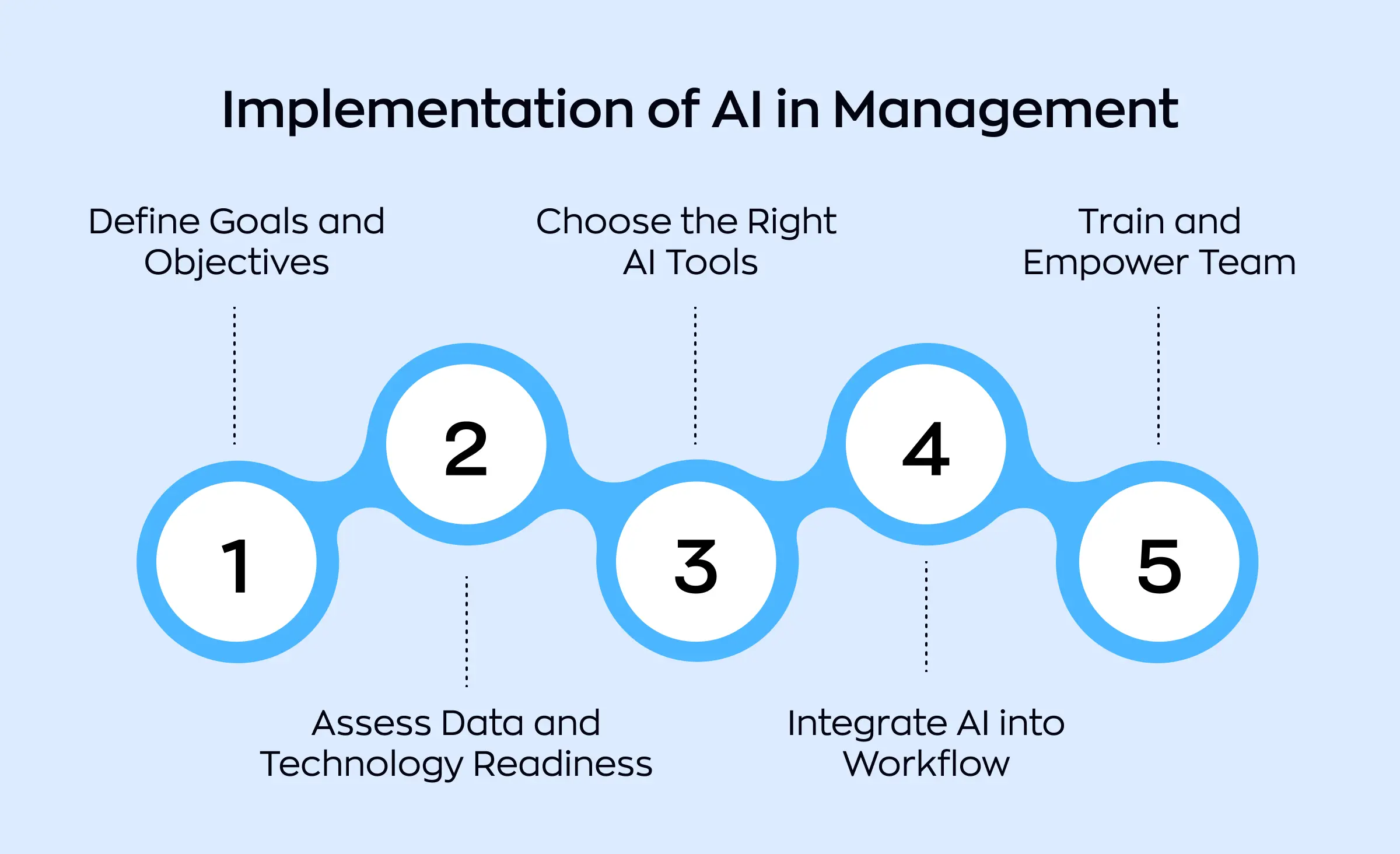
Why clear goals matter for AI
Identifying the right problems for AI in business is a critical first step. You need to look at areas where AI can make the biggest difference, such as automating tasks, making planning better, or getting deeper insights from data.There's no point in integrating AI everywhere possible — not all processes actually need AI to be effective. For instance, if your sales team struggles to predict future income, your goal for AI could be to create an accurate sales forecasting system. This clear objective helps shape the entire AI project management plan. A strong AI strategy minimizes common AI project challenges like projects growing too wide or losing their way.
How to set effective AI objectives
Align with business needs: Begin by directly linking your AI goals to your company's core objectives. Think about specific ways AI in business can solve real problems, like reducing operational costs by 15% or improving customer satisfaction scores. This ensures your AI solutions truly help your organization grow, much like effective project management methodologies dictate for any major initiative. This connection should be clear throughout your AI project lifecycle and AI development process
Plan for tangible outcomes: Develop a robust AI strategy that outlines specific, measurable results. This could mean transforming raw data into actionable insights through business intelligence AI to inform marketing campaigns, or creating a new AI product development that meets a distinct customer need, like a smart recommendation engine. Clear objectives will also guide your data management efforts, showing exactly what data types and volumes your AI will require.
Use a flexible approach: For complex machine learning projects, build flexibility into your goal-setting. Adopt agile AI development principles, allowing teams to adjust aims and scope as they gain new insights from data analysis and model tests. This iterative approach helps manage the inherent uncertainty in AI development.
Prioritize responsibility: From the very start, set clear boundaries and guidelines for ethical AI in projects. This ensures your AI systems are fair, transparent, and do not cause unintended harm, for example, by avoiding bias in hiring algorithms. These considerations are fundamental to good AI governance and often go beyond the scope of traditional software project management.
Look beyond standard software: Recognize that planning for AI solutions in business requires a distinct approach compared to typical software project management. Adapt your project management methodologies to account for AI's data-driven, iterative nature and continuous learning requirements. This ensures your AI efforts make a real impact on your development process.
Select the right AI technologies
Picking the right tools helps you build strong artificial intelligence AI solutions. Wrong tools can slow down your machine learning projects and stop you from getting good insights. It affects how well AI in business works and how you succeed in managing AI projects.
For smooth AI implementation, tools must connect well with what you already use, such as your CRM, ERP, or existing data lakes. This makes data flow easily and teams can use them without trouble. Tools should be simple to use, reducing the learning curve for data scientists and developers involved in the AI development process. They must also scale with your project, handling more data, complex models, or a growing number of users. Always think about the total cost, not just upfront fees.
Examples of AI tools for project management
Many specialized MLOps tools and general AI platforms can support your solutions. They help manage the entire AI project lifecycle, from developing models to getting them ready for users. Here are a few examples:
AI assistants for planning: Tools like ChatGPT can help draft project documents, generate reports, or brainstorm ideas. They are great for getting quick text-based responses.
Predictive analytics platforms: Some platforms offer advanced data analysis. They help you understand complex data sets, find useful insights, and support strategic choices.
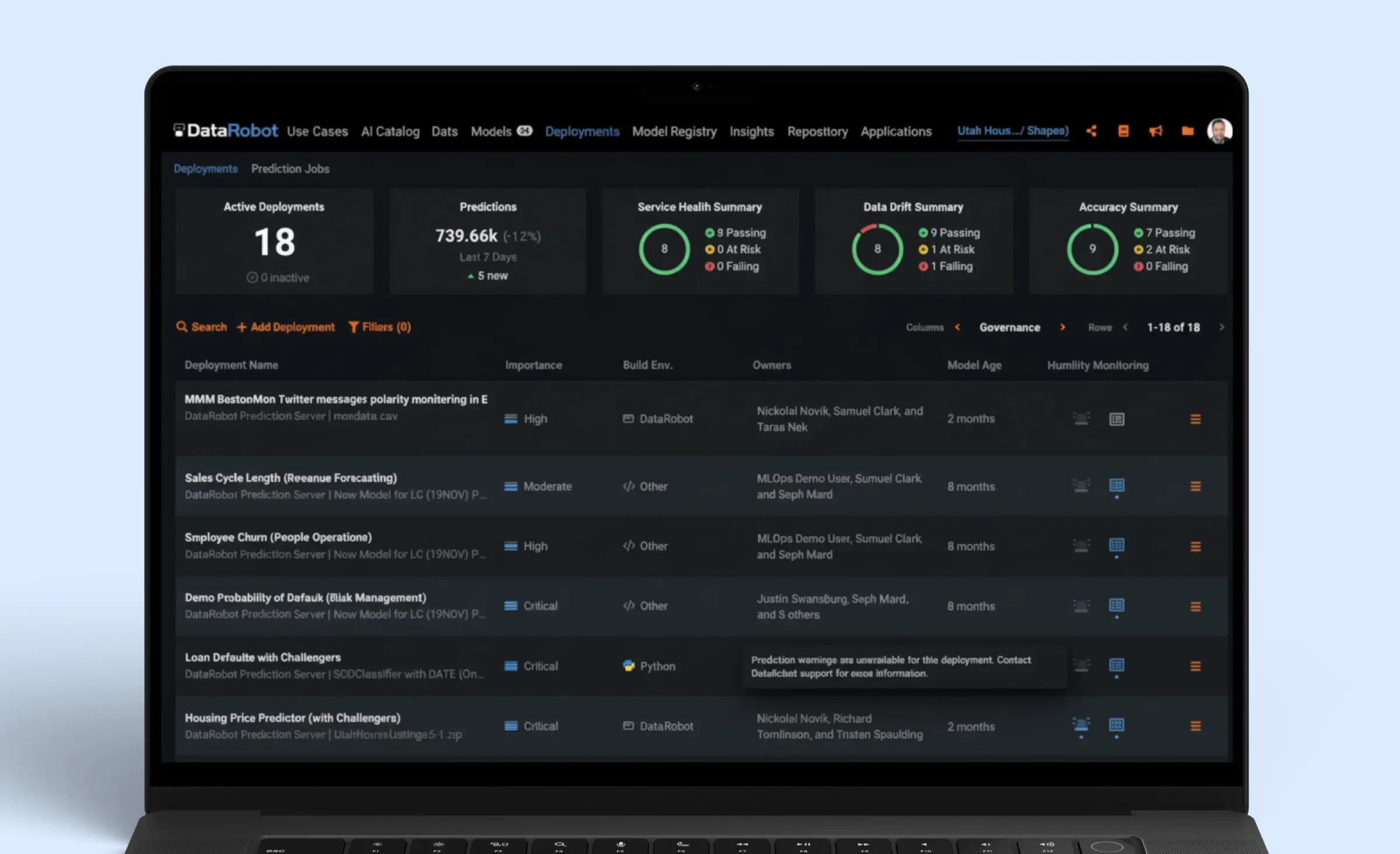
An example: DataRobot predictive analytics platform Automation tools: Specific MLOps tools also automate tasks like code deployment or model updates, improving efficiency in ways traditional software project management cannot.
Following MLOps best practices means choosing tools that support continuous integration, delivery, and monitoring of your AI systems. The goal is to select tools that empower your team to build, deploy, and maintain AI solutions efficiently.
Ensure data quality and relevance
Data is the most important part of any artificial intelligence project. Think of it as the fuel for your AI engine. If the fuel is bad, the engine will not run well, or it might break down. High data quality for AI is not just a nice-to-have — it's the key to accurate predictions and reliable AI performance. Therefore, when managing AI projects, always put data first.
Define your needs: Before collecting any data, you need a solid data strategy for AI. This means clearly planning what information your AI models need, where you will get it, and how you will store it. This careful planning sets the stage for success throughout the AI development process.
Organize your data: Good data management practices help you keep your data structured, secure, and accessible. This includes setting up systems for storing, accessing, and archiving data. It's a fundamental difference from typical software project management, which might not deal with such data intensity.
Plan for labels: For many AI models, data needs human annotations or 'labels' to teach the AI what to look for. A well-thought-out data labeling strategy ensures this crucial step is efficient and accurate, directly impacting the model's ability to learn.
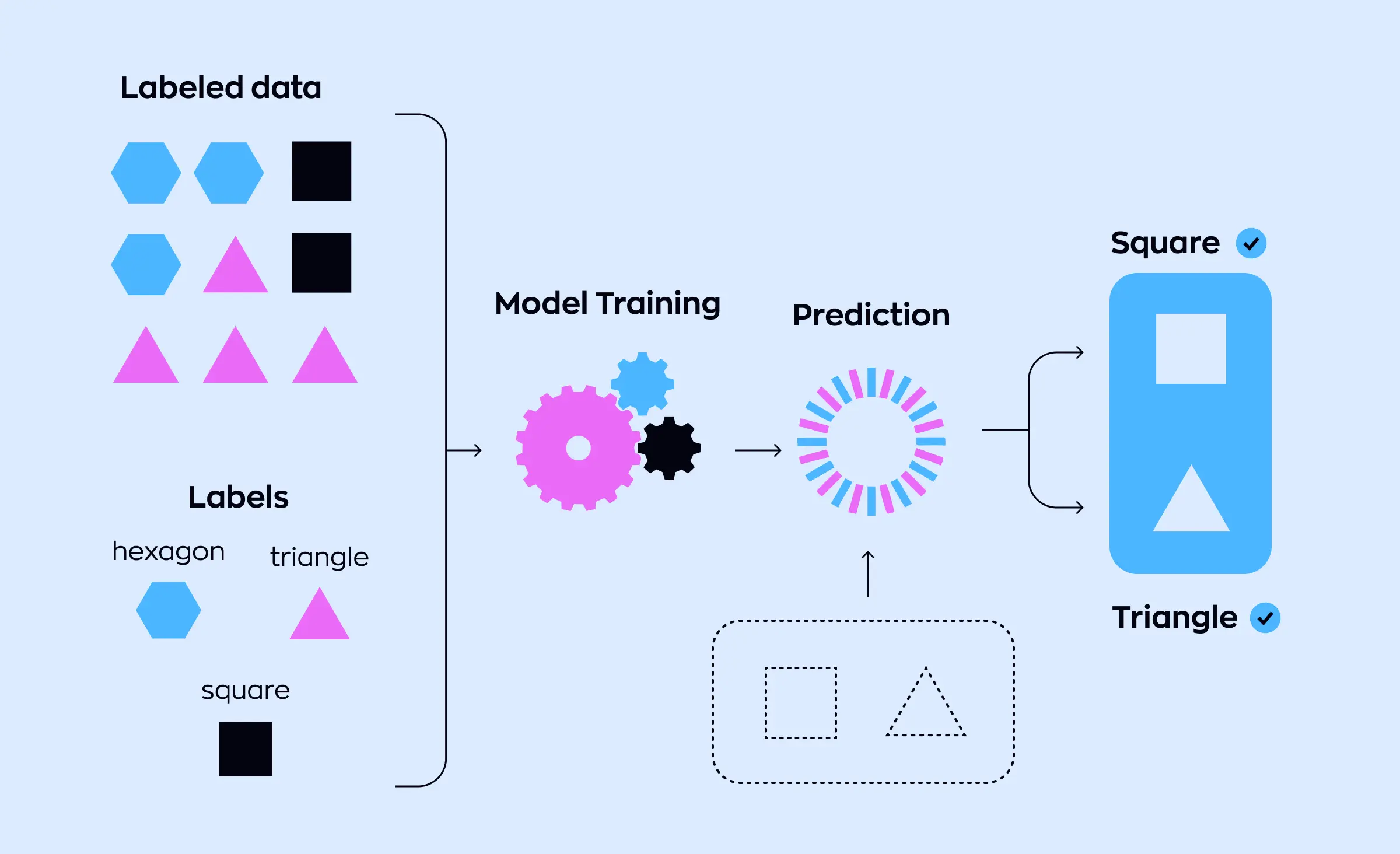
Set standards: To ensure high data quality for AI, define clear rules for how you collect and prepare information. This includes checking for missing values, correcting errors, and making sure all data is consistent.
Use the right people: Data engineers play a key role here. They build and maintain the pipelines that collect, clean, and transform raw data into a usable format for AI models. Their work directly impacts the effectiveness of your AI strategy.
Perform regular audits: Implement processes to regularly review and audit your data. This helps you catch inconsistencies early and ensures ongoing reliability. This attention to detail is a critical part of risk management in AI, preventing problems caused by bad data from hurting your project outcomes.
High-quality, relevant data supports better insights and smarter decisions. It boosts business intelligence AI capabilities, allowing companies to understand market trends or customer behavior more deeply. It also makes data science project management much more effective, as teams spend less time fixing data issues and more time building powerful models.
Implement AI for task automation
Bringing AI implementation into your daily work makes your team much more efficient. Many repetitive tasks, like sending status updates or handling data entry, take up valuable time. AI in business helps you work better and faster by having these routine jobs do themselves. The first step in managing AI projects for efficiency is to spot these tasks, which are often necessary parts of your AI project lifecycle. When AI takes over, your team gets more time for creative problem-solving and making decisions.
For successful AI implementation, fit AI into your work processes smoothly, aligning with modern project management methodologies. This makes a clear path for automated tasks and your team's work to fit together. Also, following MLOps best practices help your AI systems work well all the time and change easily if the project needs something new. Agile AI development helps teams bring in automation step-by-step, making changes based on feedback. This flexibility is key for effectively managing AI projects, especially as new AI solutions emerge.
Use AI for predictive analytics and decision support
Artificial intelligence offers strong new ways to plan and make choices for AI in business, providing deep insights to help leaders make smart moves and deliver strong AI solutions. Managing AI projects often relies on these advanced abilities. Machine learning projects power predictive analytics, examining past data to forecast project aspects like finish times or resource needs, a key part of the AI development process.
Good data management ensures clean information for predictions, making data science project management more exact. These insights help spot AI project challenges early, as artificial intelligence can predict project delays. This proactive step aids the full AI project lifecycle, letting teams act before problems grow. Business intelligence AI tools make these predictions clear, going beyond old software project management reports. For data science project management, AI solutions for decision support change everything. It greatly helps with risk management by finding issues before they become big.
Teams need to combine business intelligence AI insights with human judgment for smart, practical choices. This approach empowers managing AI projects to deliver significant strategic benefits.
Monitor and refine AI systems
Putting an artificial intelligence model into use is not the end of the journey. In fact, it's just a new phase. Unlike traditional software project management, machine learning projects need constant care. You must always watch your AI systems to make sure they keep working well and stay accurate over time.
Good model monitoring is vital for long-term model deployment success. It ensures your AI solution keeps delivering value; without it, models become less accurate. The AI development process continues after a model goes live, cycling back for feedback and improvements. Model monitoring helps you find problems like accuracy drops or unexpected behavior early, preventing major AI project challenges.
How to watch and adapt your AI
What to look for: Model monitoring involves checking several things. You look at how well the AI makes predictions, if the data it uses has changed (called data drift), and if it shows any unfair biases. This requires careful data management to track the model's inputs and outputs.
Use MLOps practices: Following MLOps best practices helps you automate this monitoring. Special MLOps tools can watch your models 24/7, alerting your team to any issues. These practices make the process efficient and reliable, which is often not a focus in typical software project management.
Feed back into development: Based on what you learn from monitoring, you can refine your AI system. This means going back into the AI development process to make changes. You might update the model with new data, adjust its settings, or even retrain it completely.
Drive business insights: Well-monitored and refined models provide more accurate insights for business intelligence AI. They give leaders better information to make smart decisions. This makes sure your business intelligence AI stays reliable and useful.
Continuously improve: This cycle of monitoring and refining ensures your AI system remains robust and adaptive. It helps overcome AI project challenges and ensures lasting model deployment success. This continuous improvement is central to modern project management methodologies for AI, keeping your solution effective throughout its AI project lifecycle. It's how effective managing AI projects creates lasting value.
Train and support your team
Successful artificial intelligence projects rely on people who know how to use AI tools effectively. Proper training makes your team confident to get the most from your AI solutions. This readiness is a vital part of AI project management. To ensure broad AI adoption, provide training that covers both technical details and the wider strategy. Training helps each member of your team understand their specific role throughout the AI project lifecycle. It's also essential to teach about ethical AI in projects, making sure systems are fair and building trust for responsible AI governance.
Beyond initial training, create a culture where team members always learn new things, staying updated on new MLOps best practices and tools in the AI development process. Establish clear support systems for ongoing help with questions or problems. Encourage feedback, as insights refine the AI development process and help catch issues early. Thorough training and support boost your team's ability to work with artificial intelligence, driving successful outcomes and making data science project management much more effective.
How Ronas IT can help
When you aim to bring artificial intelligence into your company, having the right partner makes all the difference. At Ronas IT, we guide businesses through the full AI project lifecycle for AI adoption. This includes everything from initial planning to careful UI/UX design and final development.
AI consulting
We offer monitoring and refining consulting services to help you define a clear data strategy for AI that fits your business goals. Our experts help you identify processes that can actually benefit from AI implementation.
Custom AI development
We design and deliver custom AI solutions built just for you. Our engineers have much experience with the latest AI tech, making everything from document generators to smart chat systems.
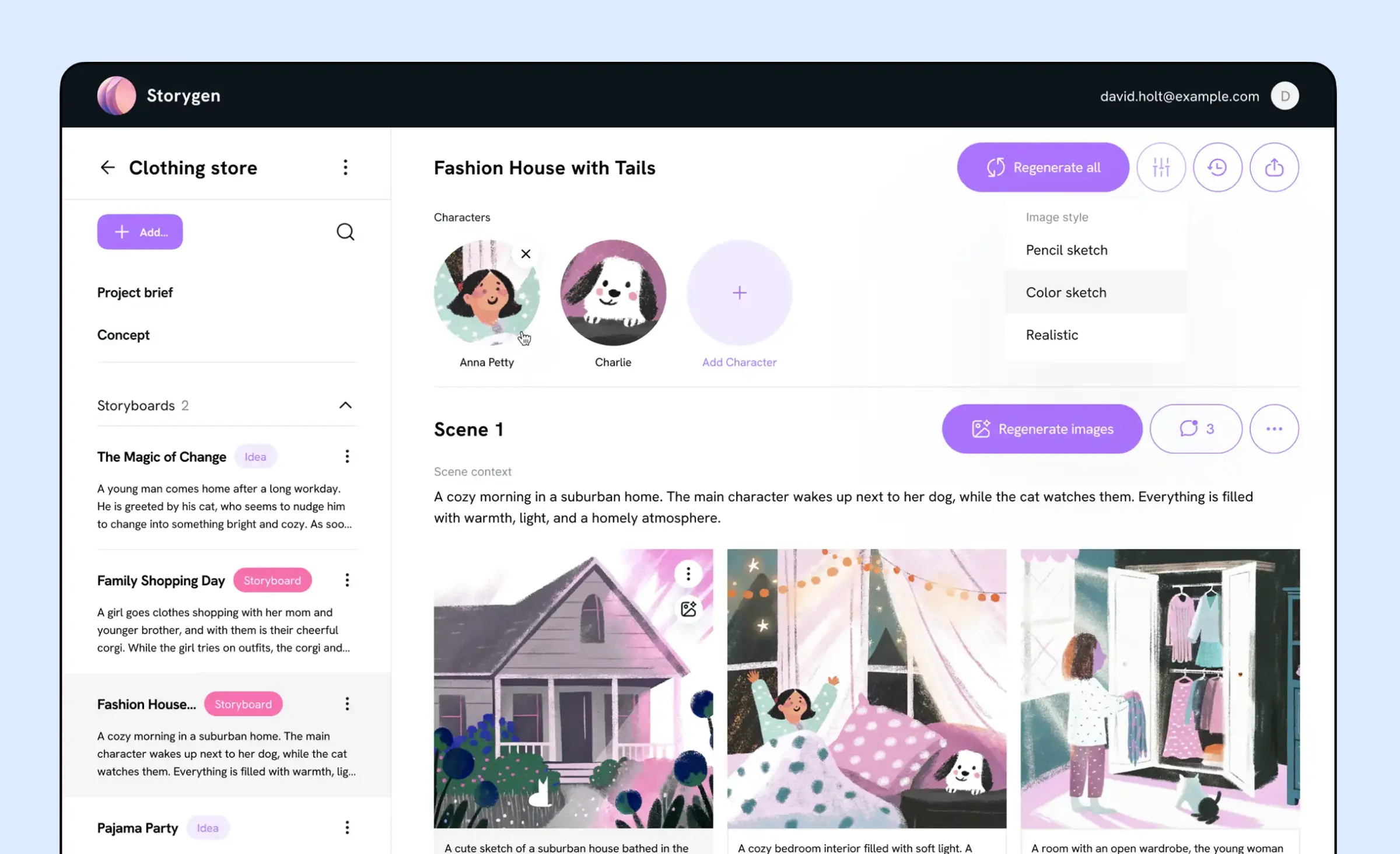
Conversational AI and chatbots
Our deep knowledge of language processing lets us build AI assistants that truly understand what users mean. We focus on making conversations easy and natural.
Seamless AI integration
Our team can smoothly connect AI implementation right into your current systems. Whether you need to link powerful AI tools to your CRM, messenger, or other platforms, we make it happen without fuss.
Secure AI deployment
We follow strict security and ethical rules for every project. As part of our services, we help teams choose responsible methods, lessen bias, and keep sensitive data safe. This approach uses MLOps best practices to ensure model deployment success and lets your business innovate with confidence.
With Ronas IT, you get top-notch AI tools and services. We give you a clear plan and show you concrete results with every step. Our clear approach helps with all aspects of AI project management. You can check our AI development cases on our website.
Conclusion
Artificial intelligence offers huge potential for businesses. To unlock this power, you must manage your AI efforts well. Effective AI project management is not just about technology; it is about careful planning, smart data use, and continuous improvement.
We explored the unique demands of managing AI projects, from defining goals to monitoring live models. Each stage of the AI project lifecycle needs specific attention. Following these best practices greatly increases your chances of achieving real model deployment success. Ultimately, good AI project management transforms complex AI ideas into practical, valuable AI solutions, helping your business adapt and grow.
Ready to make your AI vision a reality? Contact Ronas IT today to explore how AI can elevate your business strategies.
Related posts












Related Services


Development
React Native App Development Services


Development
MVP Development Services


Development