

Evgeny Leonov, Chief Technology Officer at Ronas IT
As a CTO, I see every day how much users value speed and simplicity. Low-latency backend development means building systems that process data and respond almost instantly. Such high-performance backend powers responsive applications and gives brands the ability to deliver instant, real-time user experiences. As digital products get more complex, choosing the right software architecture helps make sure every interaction feels smooth, with no delays.
For us at Ronas IT, strong backend development isn't just about stability — it's about delivering excellent application performance, no matter how fast your audience grows. In this article, I'll share core principles and proven strategies for building low-latency backends and explain how this approach helps businesses scale and keeps users satisfied.
Key thoughts of the article:
- Low-latency backends help to deliver real-time user experiences, keep applications responsive, and maintain top performance as user bases grow.
- Building a high-performance backend relies on smart software architecture, modular design, cloud computing, and a strong focus on scalability from the very beginning.
- Proven backend optimization techniques — like API tuning, database and caching strategies, asynchronous processing, and microservices — are key to speed and reliability.
- Performance engineering and DevOps practices ensure the backend is always improving, while cloud optimization allows effortless scaling to meet business needs.
The key principles of low-latency architecture
Creating digital products that feel instant and responsive starts with a strong technical base. Low-latency backend development is about making sure your app reacts in real time, even during rush hour. Let's take a closer look at the fundamental principles that help you get there.
Choose a smart software architecture
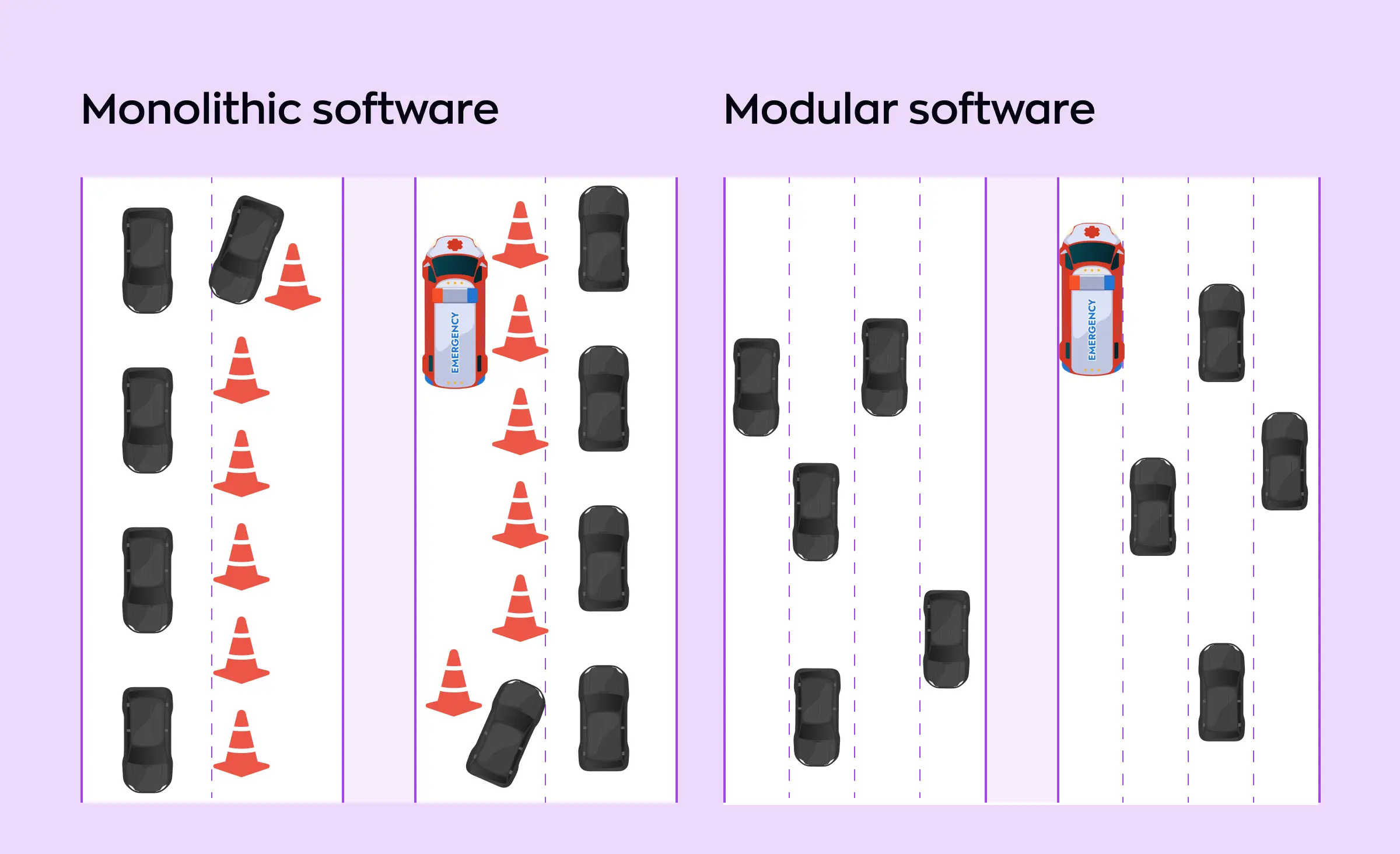
The backbone of any modern backend is a reliable software architecture. When each part of your system has a clear role, data flows with fewer stops and starts. A well-thought-out low latency architecture avoids traffic jams: rather than a single, crowded road, your information travels on multiple express lanes, reaching its destination without delay.
Keep it simple and modular
Simplicity is your best friend when aiming for a high-performance backend. The fewer steps involved, the faster the response. That's why many modern architectures are modular. Each part of the backend — like authentication, storage, or payment processing — runs independently but remains connected, which makes maintaining and upgrading your system easier.
Prioritize scalability from the start
Every business owner wants growth, but new users can overwhelm an unprepared backend. That's where backend scalability comes in. By distributing workloads and adding more servers or resources as needed, your app stays quick and reliable. Good planning for scalability helps your backend keep up, no matter how popular your product becomes.
Use cloud computing
Moving your backend to the cloud allows your infrastructure to scale without hassle. Cloud platforms provide the flexibility and speed that low latency architecture requires, removing the need for massive upfront investments in hardware.
Make performance a constant priority
Building speed into your product is not a one-time task. Regular tuning, measuring, and adjusting are all parts of performance engineering. By running tests under different loads and monitoring system metrics, you can address issues quickly.
The right blend of software architecture, simplicity, scalability, cloud technology, and ongoing tuning forms the backbone of every successful low-latency system. When you get these principles right, your users will always enjoy fast, smooth, and reliable experiences.
Backend optimization techniques for high performance
Speed matters in today's market. If your product feels slow, users move on quickly. That's why backend optimization techniques are at the heart of every successful digital business. Let's explore the most effective ways to boost your backend and keep your app ahead of the competition.
Tune your API for peak performance
Modern apps rely on APIs to connect frontends and backends. Smart API performance optimization starts with clear endpoints and lightweight data formats. Regular testing, minimizing unnecessary data transfers, and using efficient protocols all help lower response times. If you focus on API optimization early in API development, your product's speed will be a competitive edge.
Use caching for faster responses
Sometimes, the best way to increase speed is not to repeat work. Caching strategies for backend involve saving common results — like popular product listings or user profiles — so they can be served instantly the next time. This simple step can make your app feel snappy, while also lowering the workload on your backend.
“We use up-to-date versions of PHP and Laravel, carefully optimize database queries, and apply caching with Redis to ensure the server responds quickly.”
Harness asynchronous processing
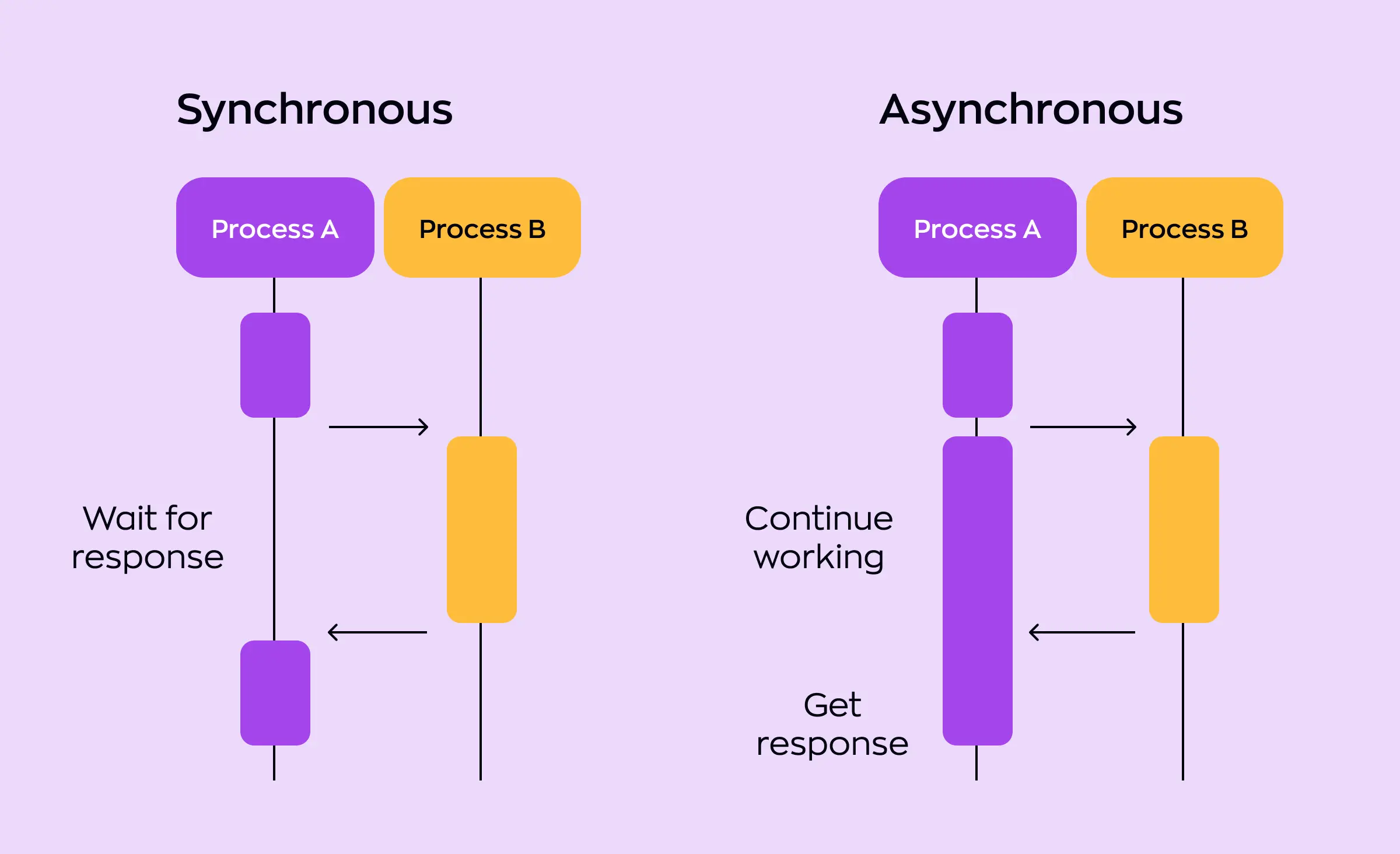
Not every task needs an instant answer. By leveraging asynchronous processing, your backend can handle heavy jobs, such as sending emails or processing images, without making users wait. This frees up resources for critical requests, improving the overall flow and supporting high-traffic situations.
Build with microservices for better performance
Splitting your backend into smaller, independent services improves microservices performance and helps your product adapt quickly as it grows. Microservices allow each function of your system to scale or update separately. This approach pairs well with strong software architecture and streamlines backend development as new features roll out.
Optimize for scalability and growth
Great apps are ready for surges in demand. Proper backend scalability means your infrastructure expands or contracts as user numbers change. These backend optimization techniques ensure that your app stays reliable, even during unexpected peaks.
Monitor and improve application performance
Optimization is an ongoing journey. Regular checks and performance reviews keep your high-performance backend operating at its best. Tools that track response times, bottlenecks, and error rates help you spot problems early. Every update, every deployment, should aim to make your application performance even better.
In short, backend success comes from a mix of smart design, proactive tuning, and the right optimization techniques. By making backend speed and reliability a priority today, you ensure your product is ready to delight users tomorrow.
Microservices, serverless, and distributed Architectures
Modern digital businesses need backends that are not only fast, but flexible and ready for change. Some of the smartest strategies for building a high-performance backend today involve using microservices, serverless setups, and distributed systems.
Microservices
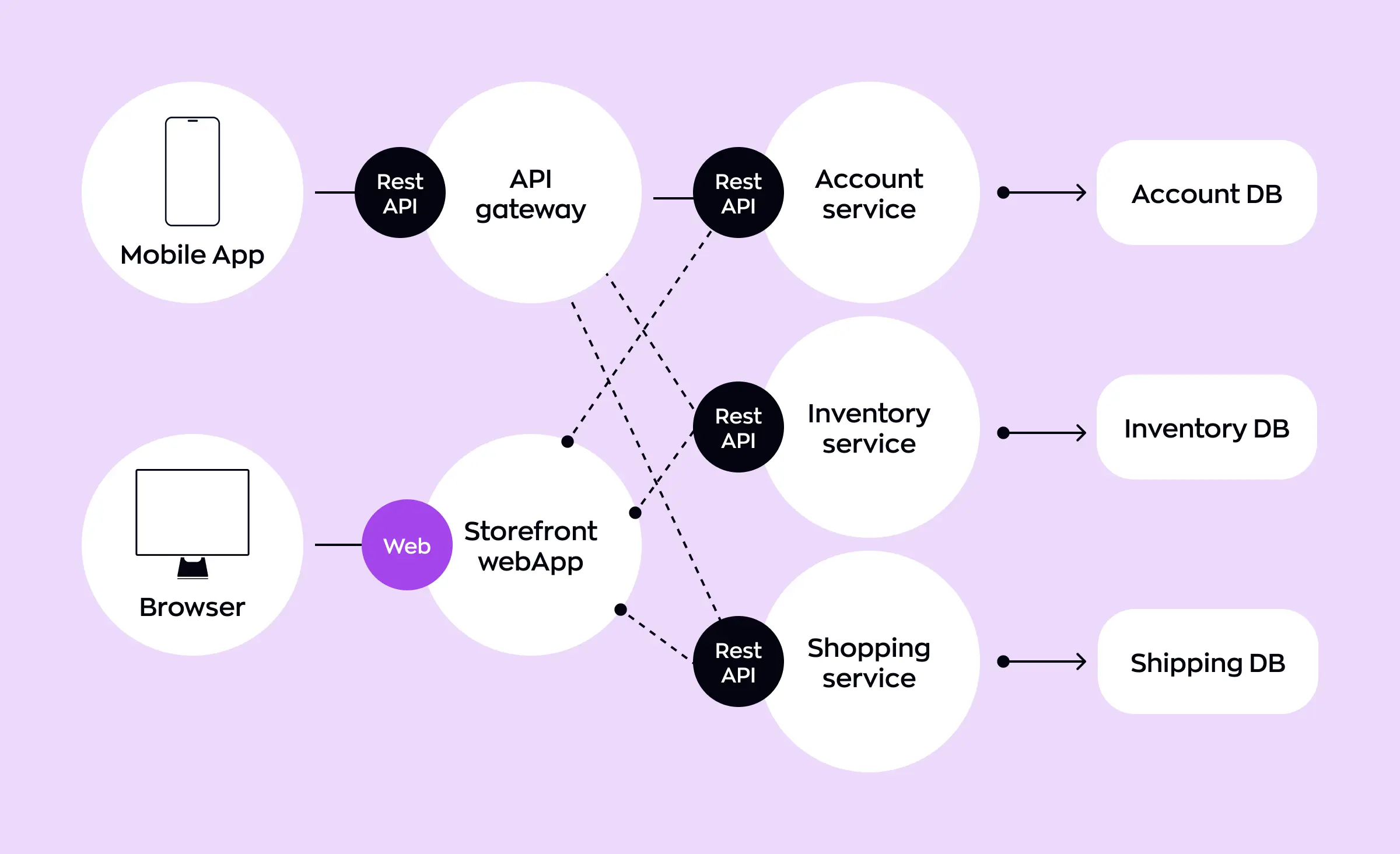
A microservices-based approach breaks a large backend into smaller, independent services. Each microservice can handle a specific function, like user registration, payments, or notifications. This division allows for improved microservices performance because each part scales on its own and can be updated without disrupting the whole system. When you optimize connections between these services and incorporate smart cache strategies backend, overall backend scalability also increases.
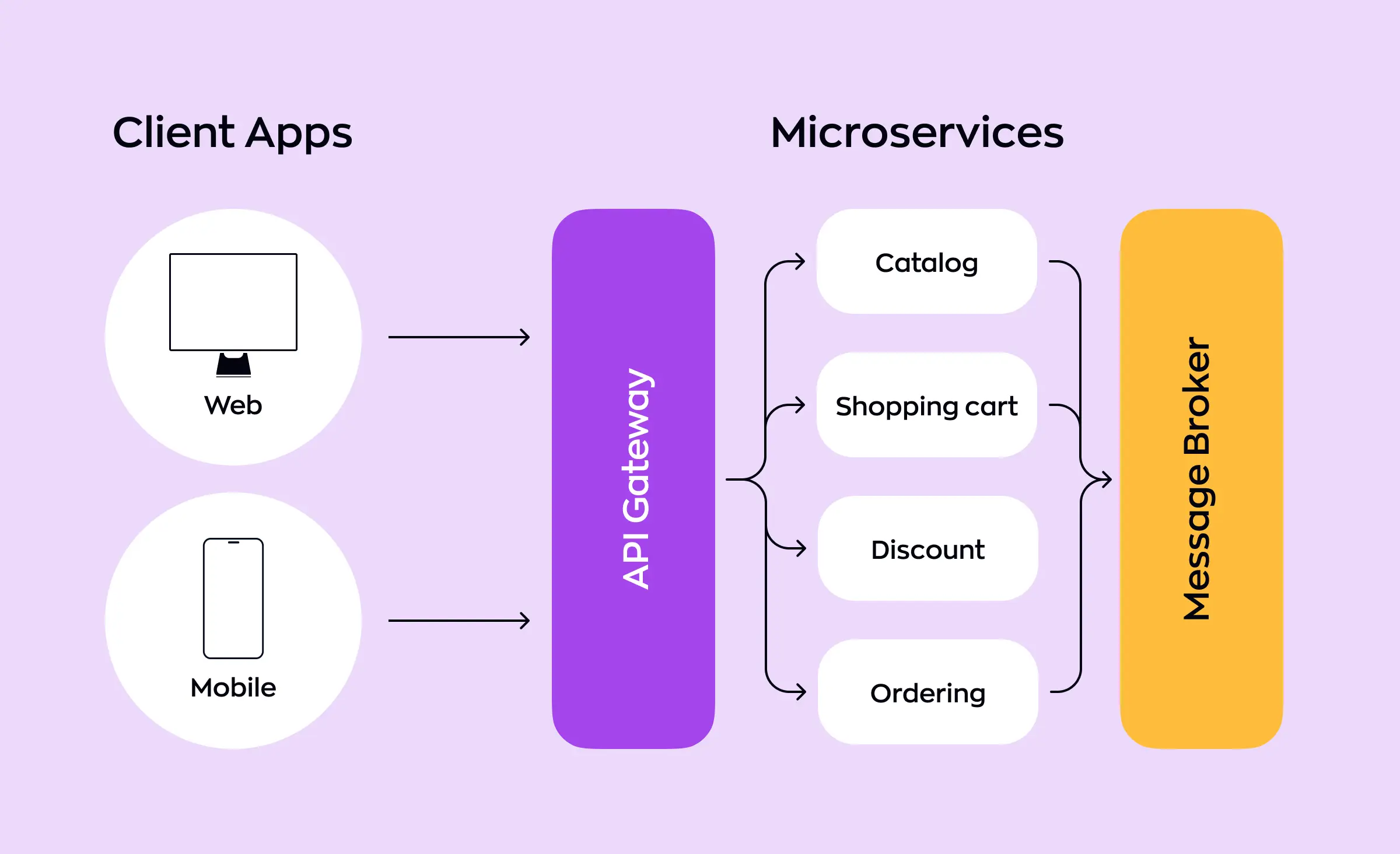
Applying proven backend optimization techniques and leveraging data streaming lets microservices handle live updates and keep users engaged, no matter where they are. This flexible approach makes it easier to roll out new features or adapt to customer needs.
We often use microservices, especially in banking apps, which require multiple services to work independently. Check out how we developed a neobank app for the USA.
Serverless
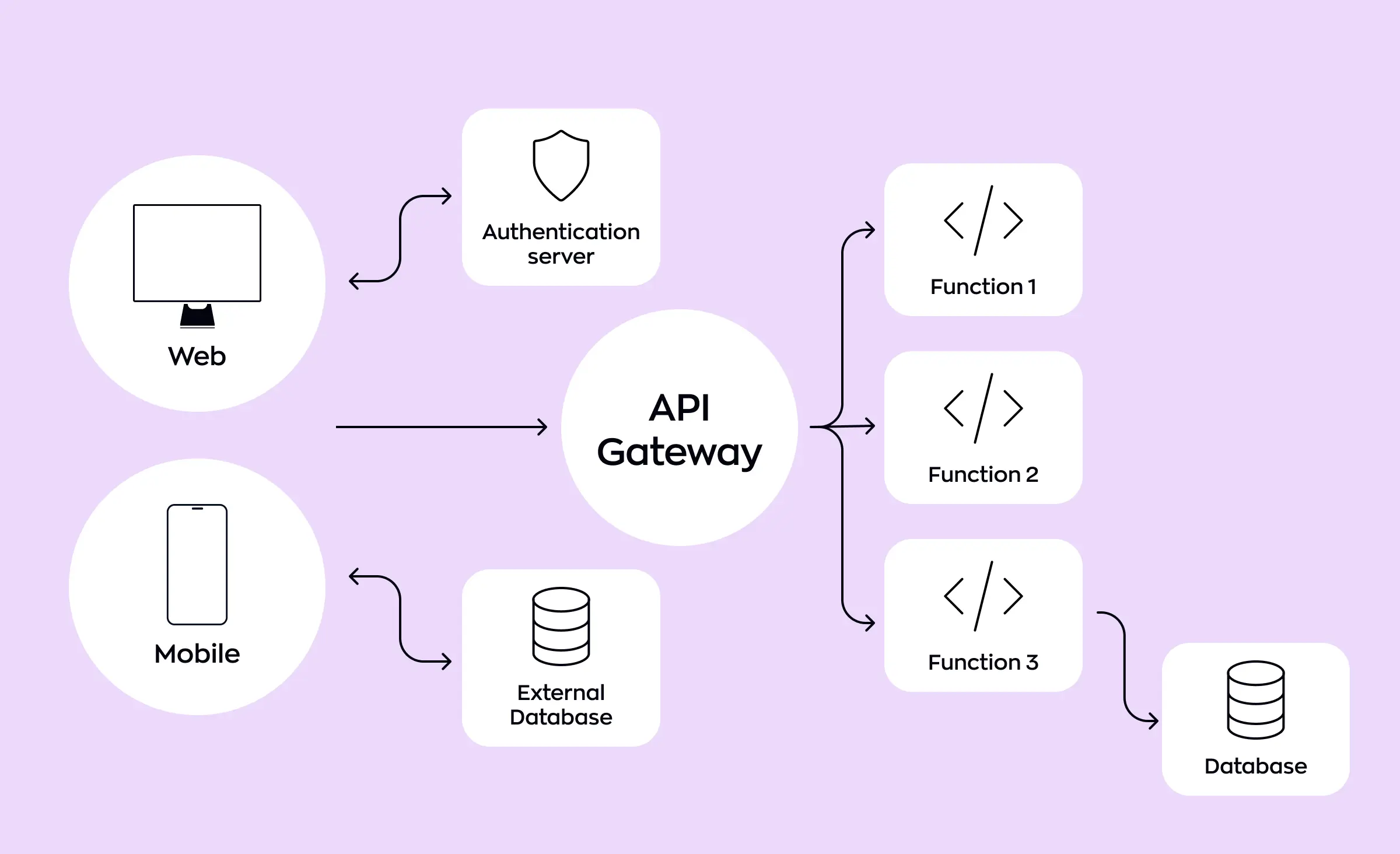
Serverless cloud functions are becoming more popular, especially when fast responses are a must. Serverless low latency setups let you run code in reaction to events, without worrying about servers or infrastructure. Cloud providers handle scaling behind the scenes, making serverless perfect for teams who want to focus on product features. Quick startups, automatic scaling, and only paying for what you use are key benefits of this cloud computing approach. Smart use of cloud technology also boosts backend scalability, so your platform grows with your business.
How serverless architecture works Distributed systems
To handle massive workloads and global user bases, businesses often turn to distributed systems. A strong software architecture distributes data and logic across multiple servers or regions, helping you maintain fast response times even when traffic spikes. Good distributed systems performance means your app keeps humming along, even if a single part fails. This setup is also the foundation for high availability systems that guarantee users can access your platform anytime. With distributed systems, cloud computing and data streaming also keep user experiences seamless, no matter where they're connecting from.
Performance engineering and DevOps
Building a fast and reliable backend takes continuous care and smart policies to ensure your digital product keeps up with business growth and evolving user needs. Two essential parts of this ongoing process are performance engineering and DevOps.
What is DevOps?
DevOps stands for “development” and “operations” working together. It's a set of practices and tools that connects software engineers and IT teams, helping you deliver updates faster and keep systems reliable. With modern DevOps services, you can automate deployment, monitor changes easily, and maintain top quality in your backend development.
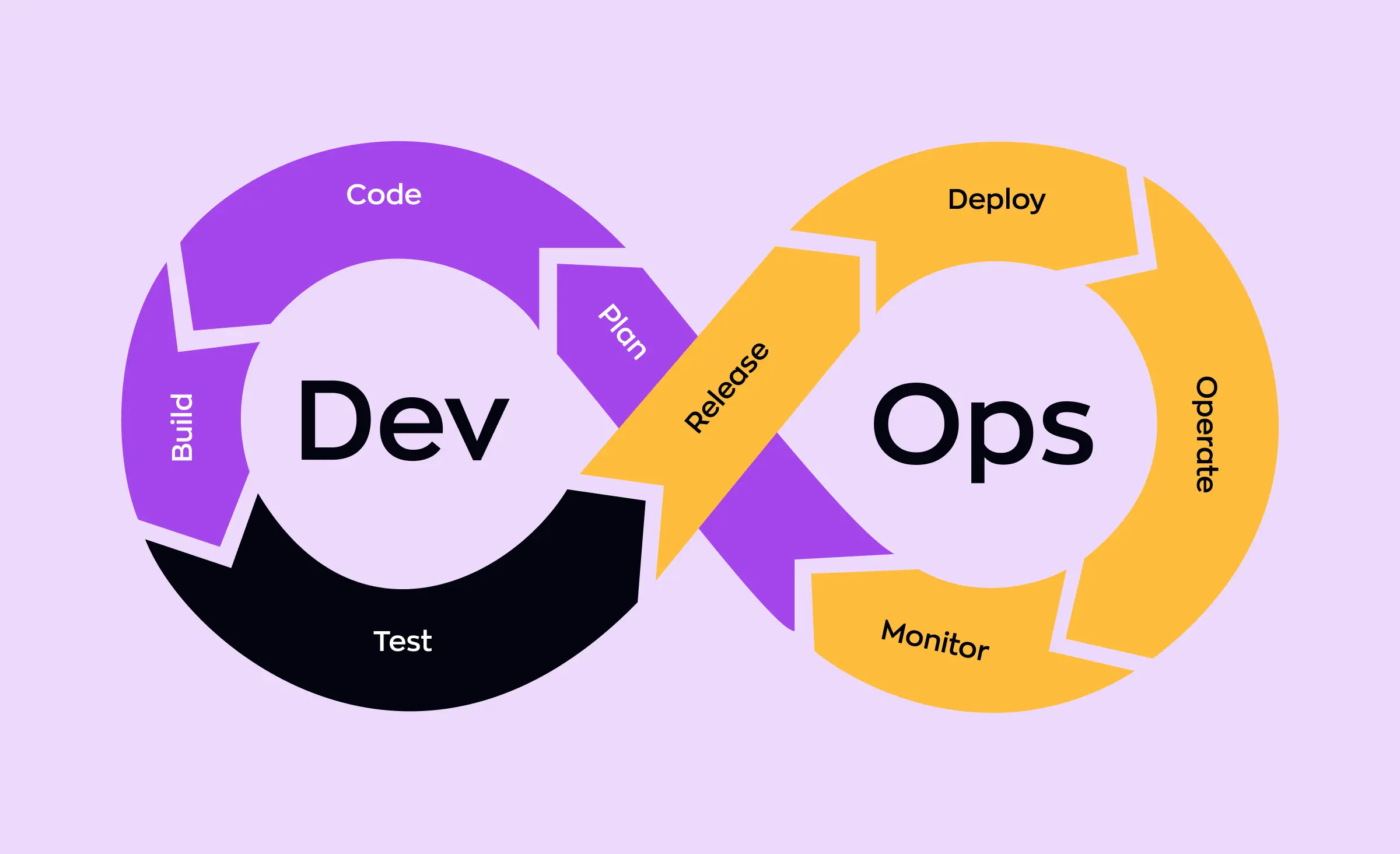
DevOps services are also crucial for real-time applications where any slowdown may impact thousands. These practices, along with regular cloud optimization, make sure your resources always fit demand. The result is simple: smart policies drive effortless backend scalability and avoid costly outages.
Performance engineering
Performance engineering means building speed and stability into every step, not just applying quick fixes after launch. Engineers use performance engineering to find slow spots early, so your application performance always meets user expectations.
Relying on solid backend optimization techniques and constant monitoring gives your business a true edge. Each cycle in your backend development routine is a chance to improve, boosting application performance and ensuring a high-performance backend ready for every challenge.
Real-time data processing
Real-time data processing handles new information the moment it arrives, while data streaming delivers content as a continuous flow. These technologies allow ride-hailing apps to track drivers live or trading platforms to show prices without delay. Combining real-time data processing with smart backend optimization techniques ensures your app handles live events and large data feeds with ease.
Optimize your database and caching
No matter how great your code is, slow data queries will hold you back. Database optimization, such as indexing and query tuning, improves access speed to critical information. Using caching strategies, the backend stores frequent results, so your app can serve users faster. Together, these backend optimization techniques give a real boost to application performance.
Use message queues for real-time communication
Many complex apps involve several services talking at once. Message queues in real-time make sure that everything, from inventory to payments in an online shop, stays in sync and processes orders without delay. This keeps user experiences smooth and reliable.
Optimize your infrastructure
Speed isn't just about software, your infrastructure counts too. Network optimization for backend strengthens delivery by improving server choices and routing. Alongside strong distributed systems performance and sharp API development, these steps help build truly responsive applications that delight users everywhere.
Use cases: Low-latency backends in different industriesF
Low-latency systems are critical for most dynamic and user-facing products. With advanced backend optimization techniques, companies build the foundation for smooth, responsive services in finance, gaming, media, and more.
Fintech apps
In finance, speed is money. Fintech low latency solutions enable high-frequency trading platforms to react almost instantly to shifting prices, outpacing competitors. Event-driven microservices and in-memory designs are key parts of modern backend development here.
Real-time risk analytics, fraud detection, and instant payments all rely on low delay and accurate processing. For example, streaming trades and balances with data streaming ensures users and managers have the latest information right at their fingertips. Without a high-performance backend, market-making, e-wallet transactions, and regulatory compliance would face visible slowdowns.
Gaming and media apps
Today's users expect flawless web application performance and top-tier mobile app performance. In gaming and media apps, responsive gameplay, real-time voice communications, or smooth video streaming depend on robust real-time architectures. Live video chats, multiplayer games, and interactive dashboards all use low-latency pipelines to keep users connected without annoying lag.
Messaging and communication platforms
Modern chat platforms, whiteboards, and collaborative editors also lean on low delay to create truly real-time user experiences. Whether it's instant document edits or seamless audio, users quickly notice when an app isn't keeping up. Many of these products are also classic real-time applications, where every transaction and message has to be processed within milliseconds.
IoT apps
Low latency is powering new frontiers, too. Robotics, industrial sensors, and IoT platforms need fast, stable backends for reliable remote control. Security systems count on real-time video, while logistics and operations depend on instant analytics dashboards, ensuring everyone has visibility into the business as it happens.
From streaming entertainment to real-time automation, the lesson is the same: without modern backends and the right optimization, today's digital services can't deliver the real-time user experiences we expect.
Businesses across these industries rely on backend optimization techniques, smart event-driven designs, and real-time technologies to elevate performance, drive engagement, and win customer trust. If your aim is a high-performance backend, investing in modern low-latency solutions is a powerful first step.
Conclusion
Building digital products today starts with smart backend development and a focus on low-latency backend development. By embracing strong software architecture, modern data practices, and effective cloud optimization, you prepare your platform for growth and reliability.
The result is clear: seamless real-time user experiences, enhanced application performance, and the kind of responsive applications that users love. As traffic grows, continuous tuning for backend scalability ensures you stay ahead of demand, never sacrificing speed or stability.
If you want your digital solution to stand out, now's the time to prioritize backend development built for the future. Take the next step: audit your current systems, look for areas to improve, and commit to the journey of low-latency backend development. Your customers and your business will notice the difference.
Related posts





Related Services
DevOps Services
Accelerate your software delivery with Ronas IT's DevOps services. We streamline development and deployment through CI/CD automation, proactive monitoring, and secure cloud infrastructure. Enjoy faster releases, minimal downtime, and scalable solutions — letting you focus on growth while we handle seamless operations.
AI Software Development Services
We deliver custom AI solutions, including generative AI, chatbots, predictive analytics, and recommendation systems. From strategy to integration and ongoing support, our expert team ensures secure, scalable, and value-driven AI applications tailored to your needs, so you can innovate faster and stay ahead of the competition.
Enterprise Software Development Services
We create scalable, secure solutions like CRMs, HR systems, and workflow automation tools — tailored to your company’s specific needs. Our team handles everything from research and UI/UX design to seamless integration and ongoing support, ensuring improved productivity, unified communication, and full data ownership for your enterprise.
Custom Web App Development Services
Build secure, scalable web applications with Ronas IT’s custom web app development services. Our team covers the full cycle — from concept and UI/UX design to development, testing, and ongoing support — using leading tech like React and Laravel. With 200+ custom apps delivered across various industries, we ensure intuitive interfaces, smooth integration, and solutions tailored to your business goals.
Backend development services
Build a fast, secure, and scalable backend with Ronas IT. We create reliable server-side architecture, APIs, and cloud-based solutions that power web and mobile products, support growth, and ensure stable performance. From MVPs to complex systems, our backend services help your application run smoothly and scale with confidence.