

Data storytelling is changing the way businesses grow. You no longer need to drown in spreadsheets and complicated charts. Data storytelling business insights help people see connections and take smart action. Instead of only showing numbers, you can now show a clear story that guides your team to better results.
Many companies struggle with presenting complex data. Charts and raw figures often confuse people, leaving teams unsure of what to do next. When you use data visualization techniques the right way, you help everyone spot trends and understand what really matters.
With the right approach, teams can find data insights that have a real impact. Strong business analysis does more than collect information — it shows a clear path forward. This is how you use data analysis for decision making to guide every department and project.
Modern analytics strategies make it much easier to reach the goal: clear business insights. With a focus on action and clarity, your business will make more data driven decisions and move forward with less guesswork and more confidence fueled by data insights.
Data storytelling business insights are about more than numbers — they shape solutions, reveal risks, and spark new ideas. This article will show you how to tell stories with data.
Understanding data storytelling in business
In modern organizations, turning numbers into action is essential. Data storytelling business insights give meaning to facts and figures, making them useful for real decisions. When you share a story with your numbers, you help teams see what matters and what needs to change. This approach builds trust and makes your insights easier to follow.
Strong business analysis is the starting point. Teams gather information, but real value comes from using data analysis for decision making. This means looking deeper, not just at what the data shows, but why it matters. Here, business intelligence reporting helps everyone see trends and patterns faster, making day-to-day choices clearer.
But numbers alone are not enough. Good data management keeps your information organized and up to date. When your data is clean and reliable, you can spot problems early and find useful patterns. With strong analytics strategies, you move from guessing to knowing. Leaders can use data insights to adjust their approach and plan for any changes coming their way.
Data communication is key. It's not just about sharing figures; it's about making sure everyone understands what to do next and about inspiring data-driven decisions. Teams that use data-driven communication work better together. They know where to focus, what needs fixing, and how to measure progress.
Using data storytelling business insights means building compelling data narratives that show the impact of each decision. With the right data strategy, you guide your company with facts, not just hunches. Clear messaging provides actionable insights from data so teams can take quick, confident steps.
In the end, storytelling with data helps everyone see the story behind the numbers. Your team will move forward together, finding clear business insights whenever they need answers, and discovering data insights that bring real results. With this approach, data management and business analysis no longer feel separate — they form the heart of a true data-driven business.



Foundations — from data to narrative
Before you can tell a story with your data, you need to get the basics right. Every strong business analysis narrative begins with a careful look at how you collect, manage, and interpret information. By building this solid foundation, you make it much easier to turn numbers into insights that matter.
Managing data for clear direction
Good business stories start with solid data management. You need to collect, organize, and update your information before you try to explain it. Clean data prevents mistakes and saves time for everyone on your team. Careful data management allows you to spot trends, catch errors early, and build a strong base for any project. When you manage your data well, you lay the groundwork for strong business analysis and data-driven decisions.
Data analysis for decision making
Data analysis for decision making changes raw numbers into valuable guidance. As you dive into the details, look for meaning — not just totals. Teams with strong data interpretation skills quickly understand how information relates to real goals. Learning data literacy gives every employee the power to use data with confidence. When you focus on data interpretation, you move one step closer to clear business insights and smarter data-driven decisions.
Turning numbers into stories
After you analyze your numbers, you can start transforming data into stories. Think of your facts as building blocks. The goal is to tie them together with context to show what they mean. Clear compelling data narratives help people picture the impact of each trend or change. Through business analysis and effective data presentation, every slide, chart, or meeting tells a story that people remember. This way, you help teams connect the dots and act on what matters most.
Driving decisions and building value
When you finish transforming data into stories, you arm your business to move quickly. Teams that use data-driven decisions see results faster, avoid costly mistakes, and work from business analysis facts, not guesses. Compelling data narratives give everyone the confidence to act, while storytelling with data keeps information clear and focused. By combining smart data management with strong data analysis for decision making, your business can build a clear path to success and trust in every insight.
With the right foundation in place, your data moves from scattered facts to a business analysis story that supports every decision. Now that you understand the journey from raw data to a clear narrative, let's explore the data visualization techniques that help you present and share these business stories with your team.
Visual excellence — data visualization techniques and tools
Before you communicate your insights, you need to choose the best way to display them. When you focus on clear design and smart tools, you help everyone understand the story behind the numbers.
Using data visualization techniques
Effective data visualization techniques help teams see patterns, outliers, and changes over time. Simple bar graphs or line charts can highlight trends, while heat maps can point out problem areas. When you choose the right data visualization techniques, you bring clarity to your data presentation and let your audience connect with your message.
Infographic design for fast insights
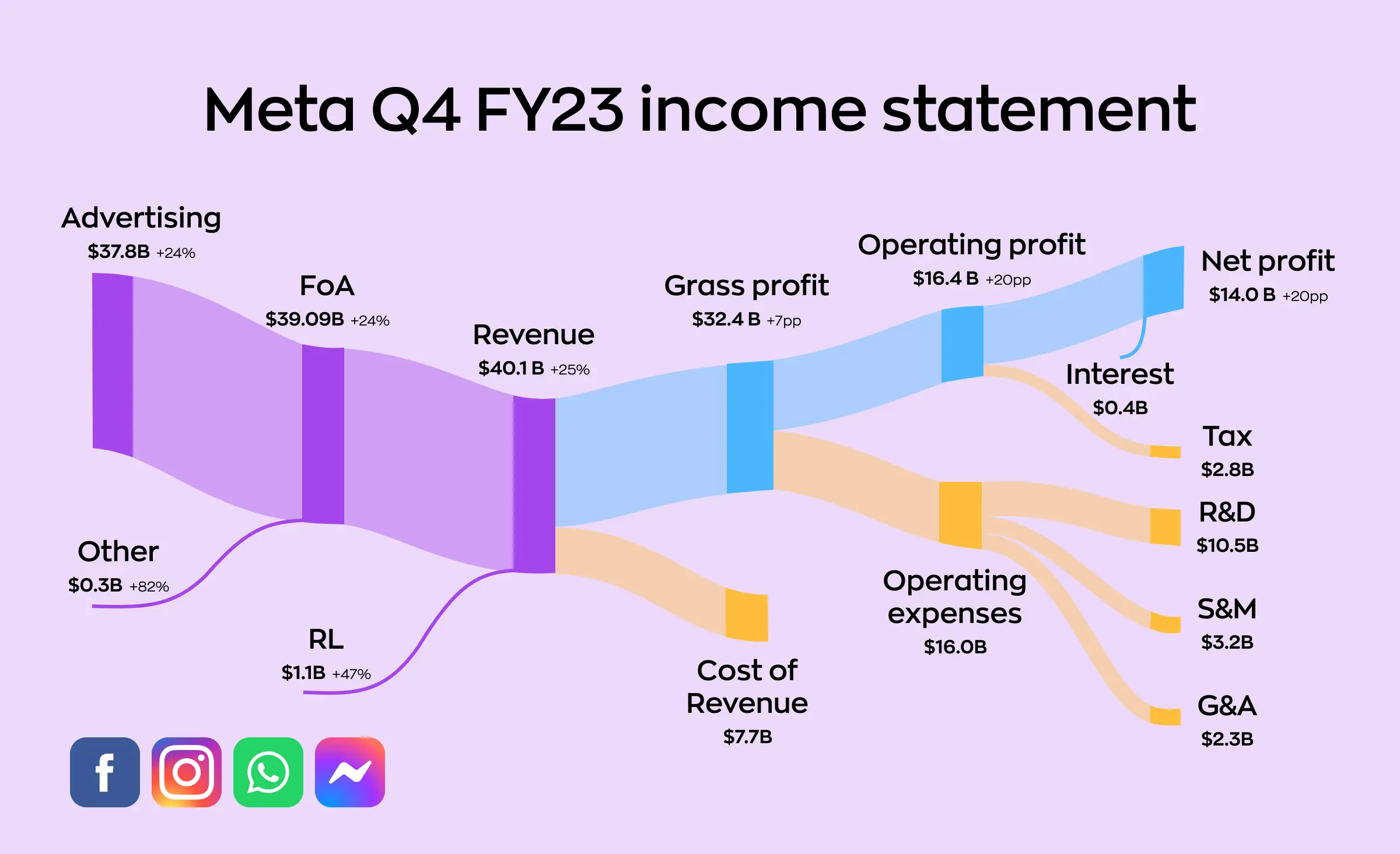
A good infographic design takes complex facts and turns them into a single, easy-to-read image. Infographics work best for overviews, summaries, or sharing results with busy leaders. This is one way of transforming data into stories — you help teams see what's important at a glance.
Mastering data dashboards and reports
Dashboard design best practices
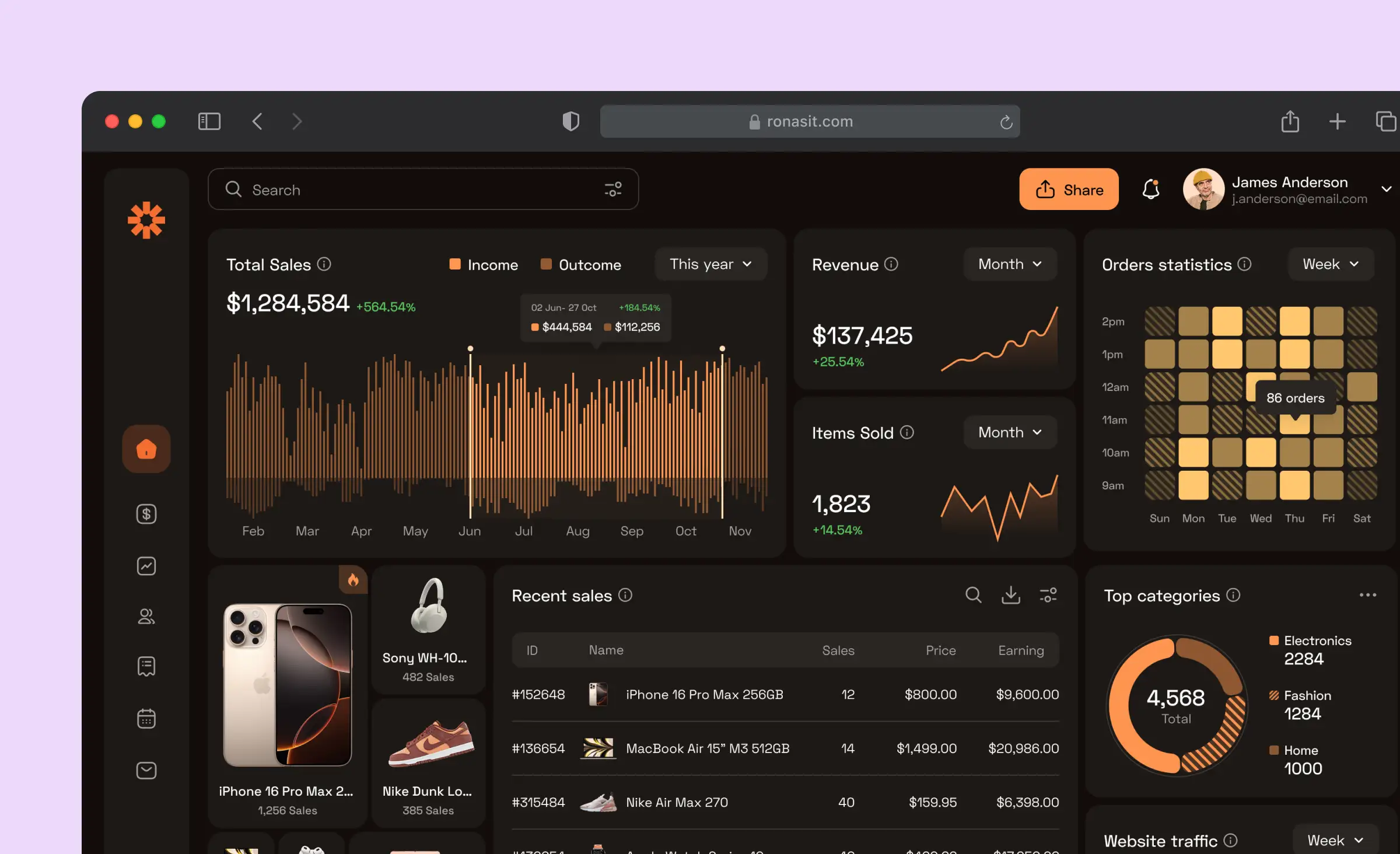
When it comes to running a business, data dashboards are key. Following dashboard design best practices means you only show the most important facts, keep layouts clean, and always update with real-time data. Strong data dashboards let departments track their goals and respond quickly to changes. Having clear visuals makes information work for everyone, not just data experts.
Executive dashboards
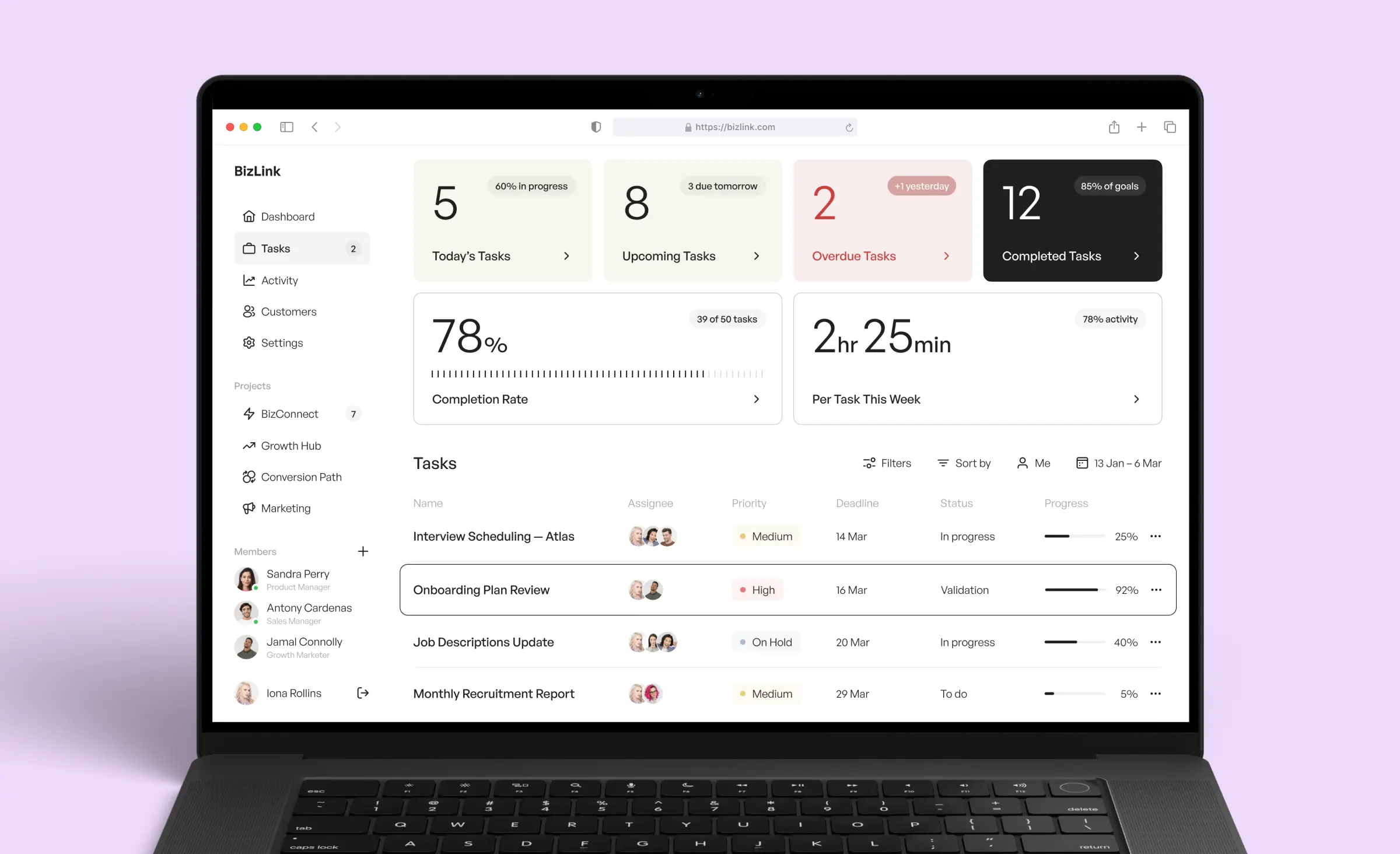
Executive dashboards help leaders get a high-level view without going into the details. They save time, show performance at a glance, and allow for faster decisions. Good dashboard design best practices keep things simple, focus on results, and highlight the data that matters. These tools are vital for smooth business reporting and effective oversight.
Narrative design with data
Blending narrative design with data means more than showing numbers. It means building a storyline that moves from data points to decisions. Use your visuals to guide the reader from questions to answers, connecting facts with reasons behind them.
Building compelling presentations
Storytelling with data
Storytelling with data is about more than a single chart. It's about creating a flow in your data presentation. Each slide or section should guide listeners through the challenge, the data, and the action needed. When you do this right, you create compelling data narratives that people remember and act on.
“Designing data stories is about more than just attractive charts — it's about creating a visual flow that guides users naturally to the insights that matter. Good design helps turn complex data into an experience anyone can understand and act on.”
Effective data presentation tips
An effective data presentation uses the simplest form possible to make the point clear. Avoid clutter, use color with purpose, and make the next step obvious to your audience. Good design stands on strong data management and planning.
Choosing the right analytics strategies and tools
Different teams need different solutions. Some rely on automatic data dashboards, while others focus on visual slides for meetings. By using the best data visualization techniques for your goals, you get results faster.
Modern analytics strategies support these tools by making sure data updates often and stays relevant. A strong data strategy means picking and updating your reporting tools as the business changes. This approach improves data communication and keeps everyone on the same page.
Effective data communication and presentation
Effective data communication and presentation depends on three pillars: a clear message, audience‑appropriate visuals, and direct linkage to decisions and outcomes.
Start from decisions and audience
— Begin with data analysis for decision making: clarify which data driven decisions the audience must take and what clear business insights they need.
— Frame every slide, chart, or section of analytical reporting and business reporting around “what, so what, now what” to focus on data insights instead of raw numbers.
— Adapt data-driven communication or data communication style (language, depth, terminology) to executives, domain experts, or non‑technical stakeholders to improve data interpretation.
Tell a concise data story
— Turn the communication of data into a short narrative: context → key finding → impact → recommendation; this makes presenting complex data more memorable.
— Use headlines that state the main data insights (“Retention improved 15% after onboarding redesign”) so effective data presentation does not force people to hunt for meaning.
— In data-driven communication, avoid output‑focused phrasing (“we built a report”) and emphasize outcome‑focused phrasing linked to data driven decisions and business value.
Use the right data visualization techniques
— Choose visuals that match the question: trends → line charts, composition → stacked bars, distribution → histograms, relationships → scatter plots; this is the core of strong data visualization techniques.
— Keep data presentation and effective data presentation simple: minimal colors, clear labels, and limited series so communication of data is instantly readable.
— Highlight the signal with color, annotations, and callouts so data dashboards and reports direct attention to the most important data insights.
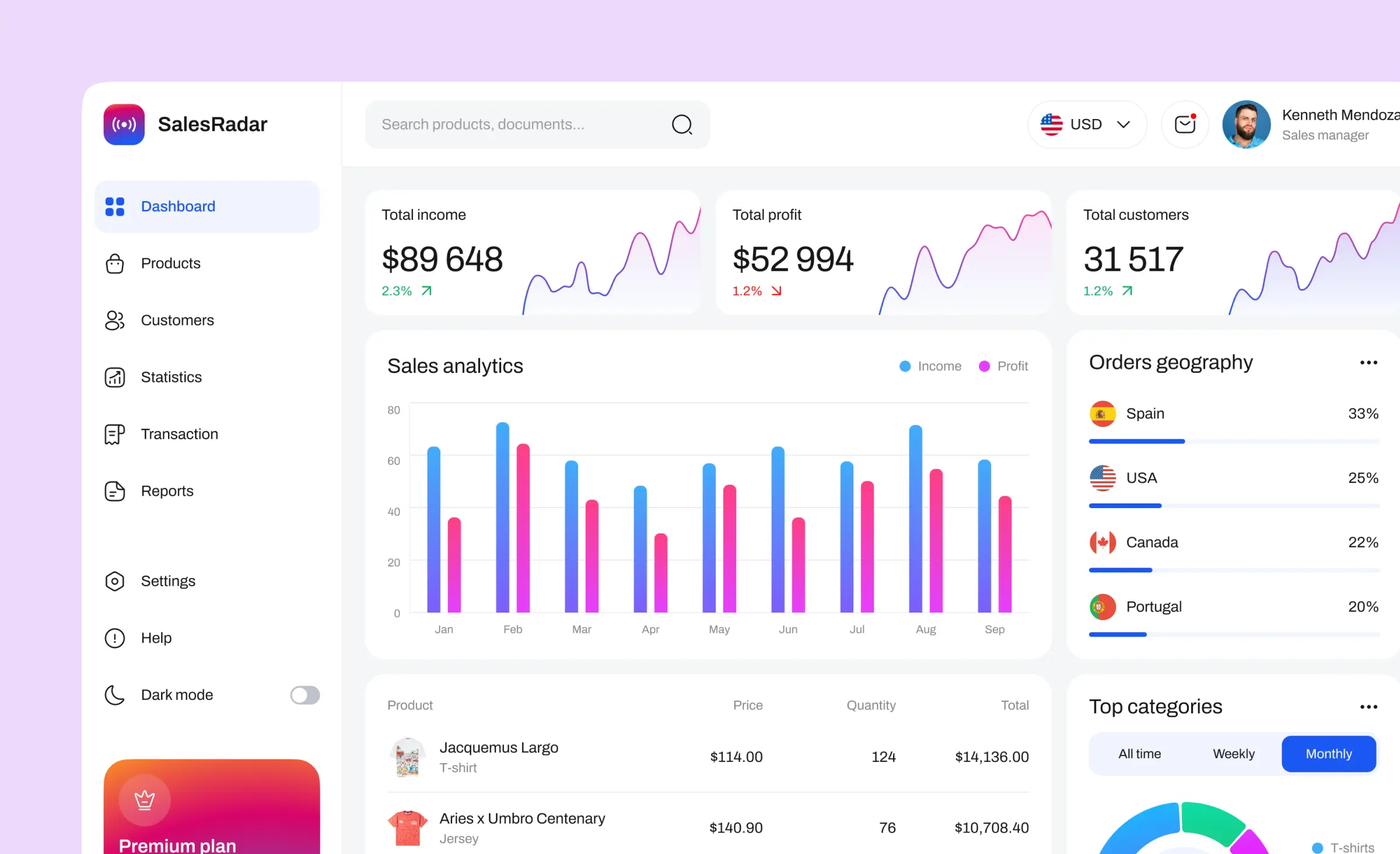
This dashboard visualizes only the necessary data to support efficient data analysis for decision making, rather than displaying all available information Design decision‑ready dashboards and reports
— Executive dashboards and other data dashboards should surface a small set of outcome metrics and KPIs tied to strategy, not every available metric.
— In business intelligence reporting and business reporting, organize content hierarchically: summary KPIs → trend views → diagnostic breakdowns.
— Make business intelligence reporting interactive where possible (filters, drill‑downs) so users can explore data communication outputs without losing the narrative.
Provide trust, context, and accessibility
— Provide context (time ranges, baselines, definitions) so data communication and data-driven communication are not misinterpreted.
— Document sources, methods, and caveats in analytical reporting to build confidence before stakeholders act on data driven decisions.
— Follow accessibility good practices in data presentation (color contrast, text alternatives, readable fonts) so effective data presentation works for all audiences.
Best practices and advanced topics
Businesses that excel at using data follow a set of proven habits. By building skills in data management, strong data interpretation, and smart data communication, your team will move confidently from raw numbers to clear business insights.
Build a strong data foundation
Good data management starts by collecting information from all your business activities and keeping it secure and organized. This makes it easy to retrieve and analyze information later. A well-defined data strategy ensures your data is always current and helps your company avoid losing valuable records.
Prioritize data literacy and interpretation skills
Teach your team data literacy and data interpretation skills so they can ask the right questions and spot important trends. With these strengths, employees turn facts into findings, supporting better business analysis and faster data driven decisions.
Focus on effective data presentation
Great data presentation matters as much as great analysis. Use visual tools and simple layouts to share results. Following dashboard design best practices helps you avoid clutter and show only what's essential. An effective data presentation gives clear answers, even when you're presenting complex data.
Make data communication a habit
Strong data communication and clear communication of data break down barriers between teams and departments. Regular updates keep everyone on the same page. Good data-driven communication also helps managers react quickly and adjust their plans when new information appears.
Analyze for action
Use thorough business analysis and data analysis for decision making to guide your company. Look for patterns and connections that bring you closer to your goals. With thoughtful analytics strategies, you'll reveal new possibilities and avoid missed chances.
Turn interpretation into results
Practice regular data interpretation and use it to fuel smart moves. Seek out actionable insights from data by asking, “What should we do next?” Teams that reflect on their findings make more informed choices and build a cycle where each project improves on the last.
Strive for continuous improvement
Keep refining your processes with the latest tools and practices. Focus on updating data insights, improving data management, and reviewing your data presentation tactics as your business grows. Revisit your analytics strategies to keep up with changes in the market.
By following these best practices, you'll find it much easier to move from raw information to clear business insights. Each step you take — interpreting, managing, visualizing, presenting, and communicating — makes your data work harder for you and turns knowledge into real business results.
How Ronas IT can help
At Ronas IT, we understand how important well-structured and secure data management is for modern business operations. Our team specializes in transforming scattered and unstructured information from various business apps into organized and reliable data dashboards and custom analytics tools. Using advanced analytics strategies, we make it easy for companies to access the right data at the right time — and to use it for growth.
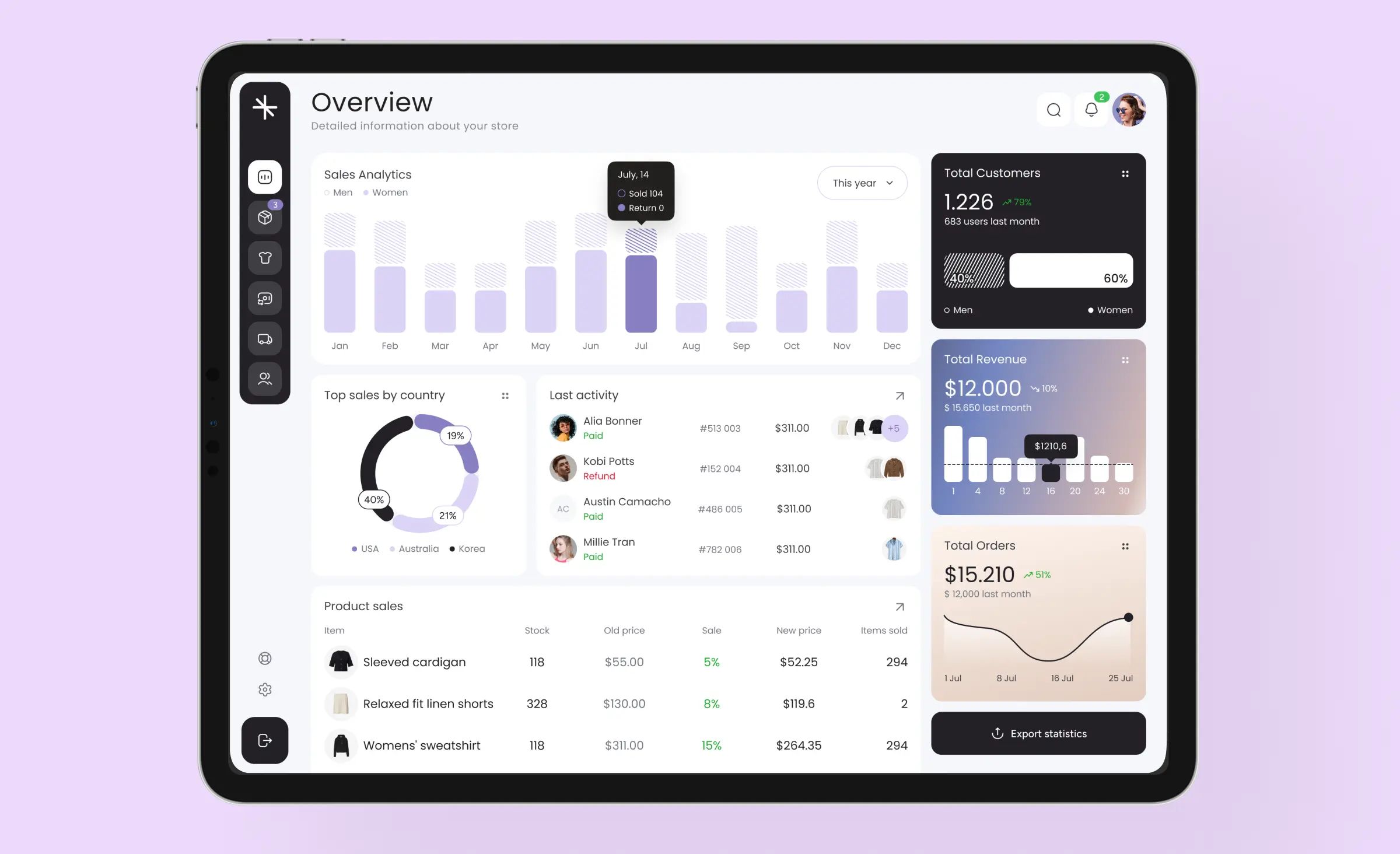
We help you collect, store, and protect your business information in a way that makes it easy to retrieve even years later. By applying best practices in data management and customized dashboard design best practices, we make sure your company data is not lost, even if you change tools or services. Our solutions support data-driven communication as well: you and your team will always have access to accurate company records and project histories when preparing for business reporting or reviews.
“From a development perspective, the real challenge is making dashboards that are dynamic, fast, and reliable. We focus on building systems where teams always have up-to-date, actionable data right at their fingertips — so decisions never have to wait for the next report.”
With Ronas IT's expertise in data analysis for decision making, you get more than just storage. We design solutions that help you discover data insights — so you can make confident, data driven decisions. For example, our dashboards let you monitor marketing efficiency, track development progress, and identify patterns to improve internal processes. Clear executive dashboards turn company data into action, while our efficient data dashboards provide actionable insights from data day-to-day.
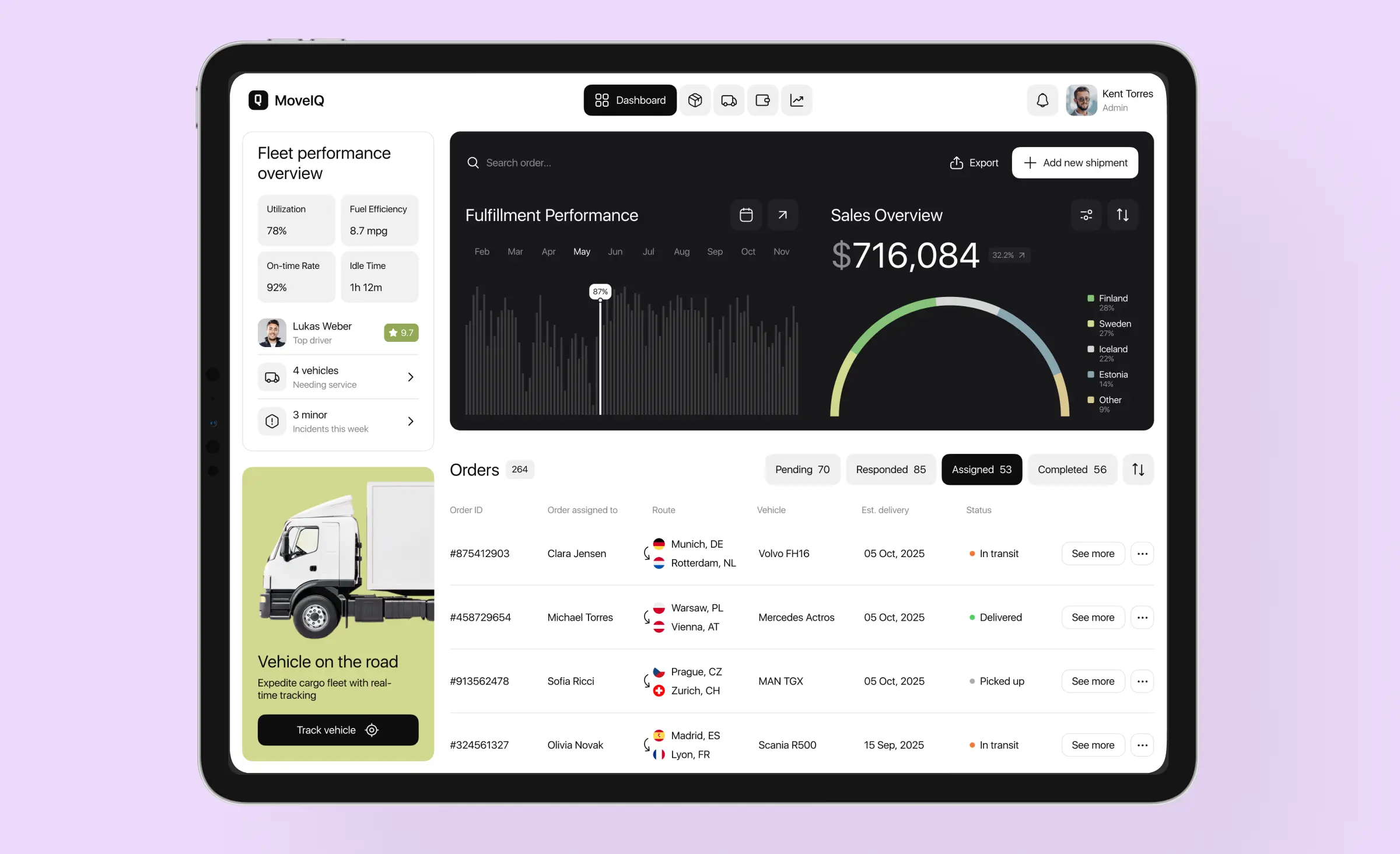
If your business wants to take control of information, improve efficiency, and build a foundation for lasting growth, our team is ready to help. With our experience in business intelligence reporting and a focus on first-class data communication, we can turn your data collection into a competitive advantage. Let Ronas IT show you what clear, organized, and actionable data looks like — so your team always finds the value in every number.
Conclusion and next steps
Mastering data storytelling business insights is one of the smartest ways to guide your company forward. By bringing together the right data visualization techniques, applying dashboard design best practices, and focusing on purposeful business reporting, you set the stage for better understanding at every level of your team.
The path from raw data to clear business insights requires more than software or technology — it's about building habits that turn information into results. With thoughtful analytics strategies, you can uncover real value and deliver actionable insights from data without overwhelming your audience.
Remember, the journey does not end with a single dashboard or report. With each project, focus on refining your process to make data storytelling business insights a foundation of your work.
By sharing the right data insights in the right way, your organization will continue to adapt, grow, and make smarter decisions every day.
Ready to see the difference? Fill out the short form below to contact our team and visualize your business data in the most convenient and insightful way.
Related posts




Related Services
Backend development services
Build a fast, secure, and scalable backend with Ronas IT. We create reliable server-side architecture, APIs, and cloud-based solutions that power web and mobile products, support growth, and ensure stable performance. From MVPs to complex systems, our backend services help your application run smoothly and scale with confidence.
AI business integration services
Bring generative AI into your business. We build AI-powered solutions from scratch or integrate them into existing products to automate routine tasks, improve customer support, boost efficiency, and support smarter decision-making. From strategy and design to development and release, we help you implement AI securely and effectively.
UI/UX design services
Create intuitive, user-focused interfaces with our UI/UX design services. We design clean, effective experiences for mobile, web, desktop, and tablet apps, making complex products simple to use and visually consistent. From concept and user flows to final UI and handoff for development, we help turn ideas into products people enjoy using.
AI consulting services
Get expert guidance on how to use AI in your business. We help you identify the best AI opportunities, create a practical implementation strategy, and build solutions that automate processes, improve decision-making, and deliver real value. From discovery and planning to development and support, we make AI adoption clear and effective.